Peru is a captivating land of ancient mysteries, legendary ruins, and cultural wonders that continue to fascinate travelers from all around the globe. Whether you’re a history lover craving ancient stories, an adventure seeker chasing breathtaking landscapes, or simply someone eager to soak in the rich tapestry of Peru’s cultures, the following must-see landmarks in Peru promise an incredible experience that is guaranteed to take you on a journey through time and wonder.

Machu Picchu
Ideal for:
History buffs, adventure seekers, photographers, spiritual travelers, bucket list travelers, nature lovers, families, cultural enthusiasts
Highlights at a Glance
- One of the most famous monuments in Peru and an iconic archaeological site of the world. A UNESCO World Heritage Site since 1983.
- Tucked up high in the Andes Mountains at 7,970 feet (2,430 meters) above sea level, surrounded by lush cloud forest and misty peaks.
- Built in the 15th century by the Inca emperor Pachacuti and abandoned a century later. It was never discovered by the Spanish.
- Features include the Temple of the Sun, Intihuatana stone, and precision-built terraces and aqueducts.

Why is it so famous?
In sum: Location, architecture, condition, surrounding views, and vibes.
Frequently veiled in morning mist, Machu Picchu is a mountaintop citadel with striking engineering and architectural feats that make it stand out as one of the best-preserved archeological sites in the world. Add to that the fact that it’s hidden amidst the surrounding cliffs and lush jungle, and you almost get the sense you’re an Indiana Jones-style explorer uncovering this mesmerizing “Lost City.” Ultimately, Machu Picchu’s intricate stonework, layout, stunning panoramic views, and sublime energies are what keep travelers coming back, time and time again.
Adding to the ethereal vibes of Machu Picchu is the fact that its exact purpose still remains one of archaeology’s most spellbinding mysteries.
History & Symbolism
Believed to have been built in the mid-1400s by the Inca emperor Pachacuti, Machu Picchu is presumed to have been a royal retreat and ceremonial center. Its alignment with astronomical events and sacred mountains suggests spiritual importance of some magnitude. Though abandoned around the time of the Spanish conquest, it remained hidden from outsiders until Hiram Bingham brought it to global attention in 1911.
Historic Center of Cusco
Ideal for:
History buffs, cultural enthusiasts, photographers, architecture lovers, foodies, spiritual travelers, city wanderers
Highlights at a Glance
- Once the capital of the Inca Empire and now a UNESCO World Heritage Site since 1983
- A walkable area with Inca foundations around virtually every corner, paired with Spanish colonial churches, cobblestone plazas, and vibrant street life
- Home to major historical sites including Qorikancha, the Cusco Cathedral, and the Plaza de Armas
- Set at 11,152 feet (3,399 meters) above sea level, it’s one of the most historic and atmospheric cities in South America

Why is it so famous?
Quite literally, Cusco is a city with layers of history. Beneath colonial churches lie ancient Inca temples, and beneath those are even older Andean foundations. The city’s beauty lies not just in its architecture but in the way it fuses two civilizations: the grandeur of the Spanish with the enduring strength and constructions of the Incas.
Walking through the city center feels like exploring a living museum where locals still celebrate festivals that have been held for centuries. Expect to find yourself gazing at the giant stones of Sacsayhuaman on the hills above the city or sipping coca tea in a centuries-old courtyard, all as Cusco wraps you in its mesmerizing blend of culture, architecture, and magic.
History & Symbolism
Before the Spanish arrived, Cusco was the heart of the Inca world: the capital of Tawantinsuyu. When viewed from above, one can see it was designed in the shape of a puma, which symbolizes power and protection. The Spanish conquest in the 1500s brought sweeping changes to the magnificent city, replacing temples with cathedrals but often preserving the Inca stonework beneath. Today, Cusco’s historic center reflects a peculiar fusion that displays both resilience and reinvention that makes it an incredibly fascinating Peru landmark.
Historic Center of Lima
Ideal for:
History buffs, architecture lovers, cultural travelers, city explorers, foodies, photographers, museum-goers, colonial history enthusiasts
Highlights at a Glance
- The political and cultural heart of Peru since colonial times, declared a UNESCO World Heritage Site in 1988
- Features grand Spanish colonial architecture, ornate churches, elegant balconies, and wide plazas
- Anchored by the iconic Plaza Mayor, which itself is flanked by the Government Palace, Cathedral of Lima, and Archbishop’s Palace
- A vibrant blend of baroque, neoclassical, and Moorish influences woven into the streets of a modern Latin American capital

Why is it so famous?
Among one of the more famous places in Peru is Lima located in the coastal region, and its Historic Center is basically where colonial Peru was born. Founded by Francisco Pizarro in 1535, it became the seat of Spanish power in South America. What makes this Historic District so remarkable, however, is the way it preserves the elegance and authority of that era, with elaborate facades, stone-paved streets, and towering churches that transport visitors back in time.
Unlike Cusco’s highland mystique, Lima’s historic center is coastal, urban, and grand. Walking through it feels like entering a meticulously planned colonial capital. Every block holds a story and new experience, whether it be in the flicker of light across carved wooden balconies or in the exquisite and creative fusion of world-renowned food.
History & Symbolism
Lima’s historic core was meticulously laid out in a grid, reflecting Spanish ideals of urban planning and religious dominance. Churches, monasteries, and government buildings were built to project power and order. Over time, this area became a showcase of Peru’s colonial wealth, filled with art, literature, and religious devotion. Today, it reflects a layered identity as a Catholic stronghold, Spanish seat of power, and the backdrop to Peru’s fight for independence.
Chan Chan
Ideal for:
History buffs, archaeology lovers, cultural travelers, photographers, architecture enthusiasts, off-the-beaten-path explorers, desert landscape fans
Highlights at a Glance
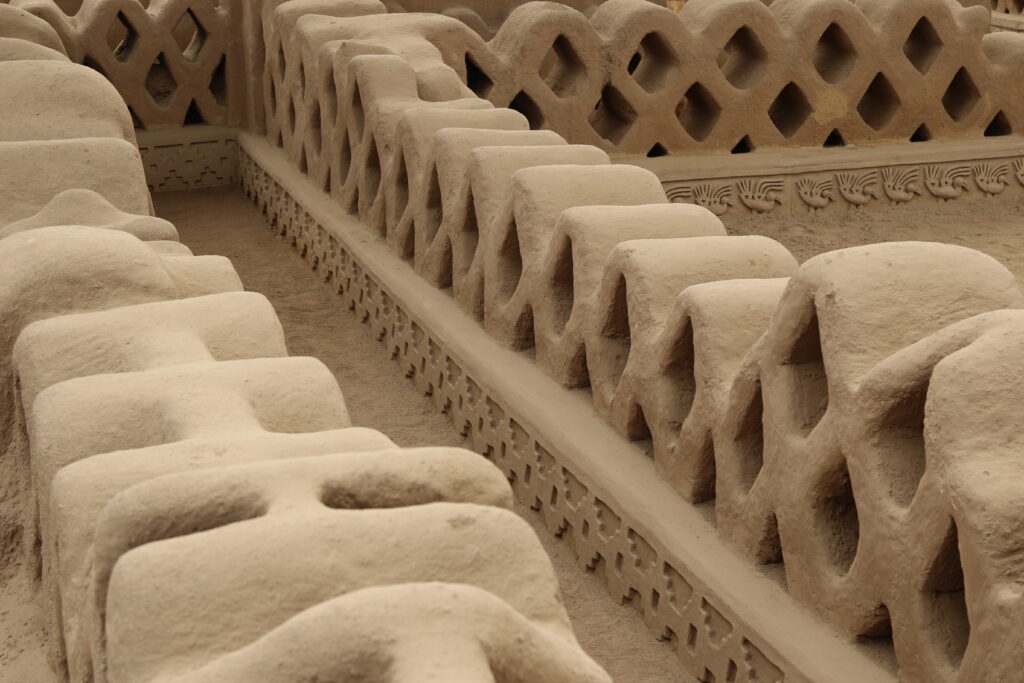
- The largest adobe city in the Americas and a UNESCO World Heritage Site since 1986
- Capital of the ancient Chimu civilization, located just outside the modern city of Trujillo
- Spans nearly 8 square miles (20 square kilometers) and once housed up to 60,000 people
- Known for its vast ceremonial plazas, high earthen walls, intricate friezes, and labyrinthine layout
Why is it so famous?
Chan Chan is a sprawling ancient city sculpted entirely from adobe, surviving for centuries under the coastal desert sun. Unlike the highland stonework of the Inca, Chan Chan is all curves, patterns, and earth tones, evoking the artistry and engineering of the Chimu people.
What makes Chan Chan so memorable is its scale and atmosphere. Its maze-like corridors and massive walls once echoed with royal rituals and desert winds. With each step through the site, visitors gain a tangible sense of what life in a pre-Inca coastal empire might have felt like, serving as a vast reminder that the Inca were not the only masters of monumental buildings. This is definitely one of the more important monuments in Peru you should consider adding to your list.
History & Symbolism
Founded around 850 AD, Chan Chan was the seat of the Chimu Kingdom until it fell to the Inca Empire in the late 1400s. The city was built with a strong emphasis on hierarchy and control, which is reflected in its nine palatial compounds and ceremonial architecture. Its walls are adorned with motifs of fish, waves, birds, and geometric patterns, all symbolizing the coastal environment that sustained the Chimu people.
Ollantaytambo
Ideal for:
History buffs, archaeology lovers, adventure travelers, cultural enthusiasts, photographers, spiritual travelers, Sacred Valley explorers, families with teens
Highlights at a Glance
- One of the best-preserved Inca towns in Peru, blending ancient ruins with a charming Andean village
- Features dramatic agricultural terraces, ceremonial temples, and impressive stonework set on a steep mountainside
- Served as a royal estate for Inca Emperor Pachacuti and later became a key stronghold during the Spanish conquest
- Located in the Sacred Valley at 9,160 feet (2,792 meters), surrounded by snowcapped peaks and lush countryside

Why is it so famous?
Ollantaytambo offers a rare combination of living history and stunning architecture, making it one of the more famous monuments in Peru. It’s one of the few places in Peru where you can walk on Inca-built streets, sleep in homes built atop original foundations, and then climb a mountainside fortress built with stones weighing over 50 tons (45,000 kg).
The Peru historical site is famous not just for its scale, but for its complexity as well. Massive terraces rise steeply up the hillside, while the Temple of the Sun looms above with intricate carvings and commanding views of the valley. Whether you’re wandering through its market or gazing at the towering walls above, Ollantaytambo delivers that perfect blend of ancient grandeur and rural charm.
History & Symbolism
Built during the reign of Inca emperor Pachacuti in the 15th century, Ollantaytambo was both a royal retreat and a strategic military fortress. Its layout reflects Inca mastery of urban design, agriculture, and astronomy. After the Spanish invasion, it briefly served as a stronghold for Manco Inca, who successfully repelled Spanish forces in one of the few recorded Inca military victories. The symbolism of Ollantaytambo lies in its resistance, resilience, and continued vitality as a living Inca town, earning its place amongst our list of famous monuments in Peru.
Sacsayhuaman
Ideal for:
History buffs, archaeology lovers, cultural travelers, photographers, spiritual seekers, families, adventure travelers, Sacred Valley explorers
Highlights at a Glance
- Massive Inca fortress overlooking the city of Cusco, built with colossal stone blocks
- Famous for its fascinating walls, ceremonial plazas, and panoramic views of the city below
- Some stones weigh over 125 tons, fitted together with stunning precision and no mortar
- Still used today for Inti Raymi, the traditional Andean sun festival held towards the end of June

Why is it so famous?
This is one of the more convenient Peru landmarks to check out, and just about everyone who visits Sacsayhuaman is left with a lasting impression. Its immense stone walls and strategic hilltop location give it the features of a de facto ancient stronghold, yet the site also carries with it deep ceremonial and spiritual significance. The scale and mastery of its architecture is inarguably staggering. Walking alongside the giant walls feels like standing next to a giant’s puzzle, where each stone fits flush with the next despite its irregular shape and massive weight.
Visitors often come for the views, but they stay for the enigmatic vibes. How were these stones transported and fitted together so precisely? Why was the fortress abandoned? In the end, Sacsayhuaman is an enduring riddle that echoes in the minds of archeologists and visitors to this very day.
History & Symbolism
Believed to have been constructed in the 15th century under the rule of Pachacuti and his successors, Sacsayhuaman served both military and religious functions. Its location was designed to protect Cusco, which was considered the center of the Inca world. Many scholars believe its layout represents the head of a puma, with Cusco itself forming the body. As one of the more famous monuments in Peru, the site’s continued use for festivals like Inti Raymi speaks to its lasting cultural and symbolic importance.
Nazca Lines
Ideal for:
History buffs, mystery lovers, photographers, archaeology enthusiasts, bucket list travelers, spiritual seekers, desert landscape fans, aviation lovers
Highlights at a Glance
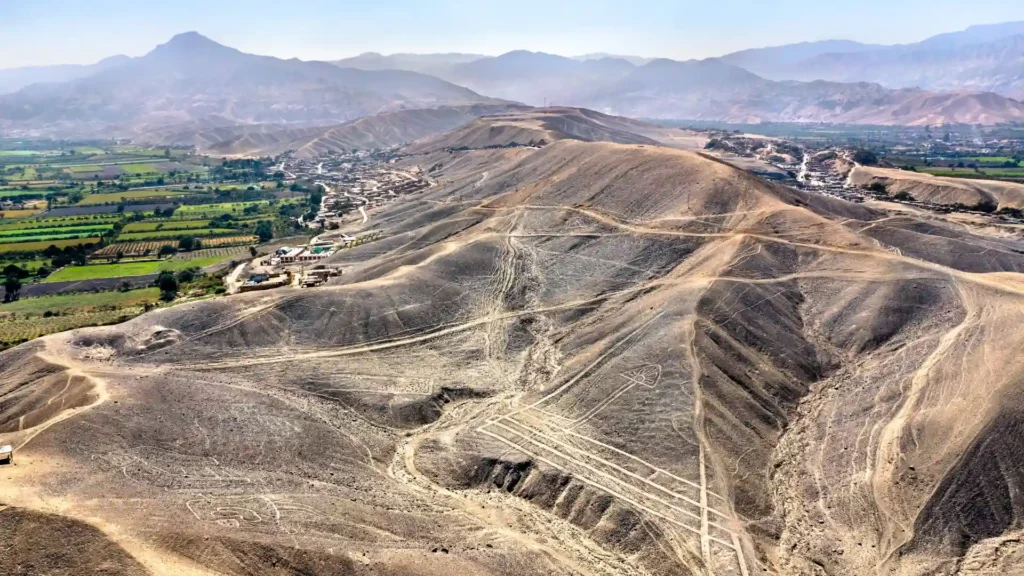
- Massive geoglyphs etched into the desert plains of southern Peru, declared a UNESCO World Heritage Site in 1994
- Created between 500 BC and 500 AD by the Nazca culture
- Includes more than 300 figures ranging from geometric shapes to animals like monkeys, hummingbirds, and spiders
- Best viewed from the air due to their immense size, some stretching over 1,200 feet (370 meters) long!
Why is it so famous?
Sitting amongst the top monuments in Peru are the Nazca Lines, which have captivated travelers, archaeologists, and theorists for decades. Their scale is hard to comprehend until you’re flying above them in a tiny plane, looking down at a perfectly formed hummingbird or an impossibly long straight line stretching across the desert for miles.
What makes the Nazca Lines so unforgettable is the mystery. Why were they made? How were they preserved for so long? With no definite answers, the lines continue to stir wonder and speculation. Some believe they were created for astronomical or ceremonial purposes, while others point to more outlandish theories. Regardless, the sheer artistry and precision of these ancient designs are reason enough to visit.
History & Symbolism
The Nazca Lines were made by removing the top layer of reddish stones to reveal the lighter-colored earth below. This method, combined with the region’s arid, windless climate, has preserved the designs for over 1,500 years. Scholars suggest the lines may have had religious or agricultural significance, possibly aligned with water sources or celestial patterns. While their exact purpose remains unknown, they represent one of the greatest artistic and engineering feats of the ancient world.
Huaca Pucllana
Ideal for:
History buffs, archaeology lovers, cultural travelers, city explorers, photographers, short-stay travelers, curious foodies
Highlights at a Glance
- Ancient adobe pyramid built by the Lima culture around 1,500 years ago, right in the heart of modern-day Lima, Peru
- Features massive terrace platforms, ceremonial plazas, and tombs used for elite burials
- Offers a unique contrast between pre-Columbian ruins and the surrounding upscale Miraflores district
- Onsite museum and restaurant provide a comprehensive and convenient experience for visitors

Why is it so famous?
Huaca Pucllana stands out amongst Peru’s cultural monuments because it basically drops an ancient ceremonial site right in the middle of one of Lima’s most modern neighborhoods. Surrounded by condos and cafes, this towering adobe pyramid feels like a time capsule from another world. The contrast is striking, but what truly makes it unforgettable is the access.
You can walk right alongside its ancient bricks, peek into excavated tombs, and even dine next to the ruins after your tour. For travelers short on time, Huaca Pucllana offers one of the easiest and most fascinating archaeological visits in all of Peru.
History & Symbolism
Constructed between 200 and 700 AD, Huaca Pucllana was an administrative and ceremonial center for Lima culture. It likely served as a platform for elite rituals and offerings, many of which involved food and drink to honor deities associated with the sea and agriculture. Later cultures, including the Wari and Ichma, also used the site, leaving behind tombs and artifacts that have helped archaeologists better understand coastal pre-Inca civilizations.
Qorikancha
Ideal for:
History buffs, architecture lovers, cultural travelers, spiritual seekers, photographers, Inca scholars, city explorers
Highlights at a Glance
- Once the most sacred temple in the Inca Empire, dedicated to Inti, the sun god
- Features masterfully cut stone walls, once covered in sheets of gold, and surrounded by ceremonial gardens
- Later transformed into the Convent of Santo Domingo by Spanish colonizers, blending Inca and colonial architecture
- Located just a short walk from Cusco’s Plaza de Armas, making it one of the city’s most accessible archaeological sites

Why is it so famous?
Qorikancha is often called the spiritual heart of the Inca Empire. It once dazzled with golden walls, sacred shrines, and astronomical markers that aligned with the solstices. Even after the Spanish conquest, its foundations endured, and the colonizers chose to build right on top of it, using the Inca stonework as the base for a Dominican monastery.
This striking blend of Inca and colonial design makes Qorikancha unlike any other site in Cusco, let alone any other famous monument in Peru. It represents both the height of Inca religious life and the beginning of a turbulent new era. The contrast between its enduring stone base and European upper structure tells a powerful story of cultural collision and survival.
History & Symbolism
Qorikancha, meaning “Golden Temple” in Quechua, was the Inca Empire’s most important religious site. It housed shrines to the sun, moon, stars, thunder, and even the rainbow. The walls were once lined with gold panels, and life-sized golden sculptures filled the gardens. When the Spanish arrived, they looted its treasures and built the Convent of Santo Domingo directly on its foundations. Despite centuries of earthquakes, the original Inca stonework remains standing.
Sacred Valley
Ideal for:
History buffs, nature lovers, photographers, adventure travelers, families, cultural explorers, archaeology enthusiasts, spiritual seekers
Highlights at a Glance
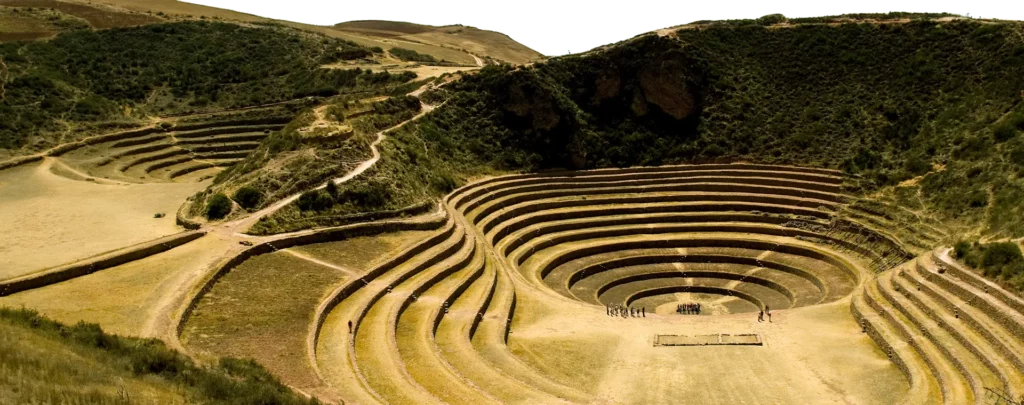
- A fertile Andean valley stretching from Pisac to Ollantaytambo, once the agricultural and spiritual heartland of the Inca Empire
- Home to impressive archaeological sites, including terraced ruins, royal estates, and ceremonial centers
- Breathtaking scenery includes rivers, mountains, farmlands, and traditional Andean villages
- Gateway to Machu Picchu, with many travelers staying here to acclimate and explore before visiting the citadel
Why is it so famous?
The Sacred Valley is where the Inca civilization flourished outside of Cusco. It offered fertile land, a strategic location, and a strong spiritual presence. The Urubamba River winds through it like a lifeline, connecting a network of sites that reflect the empire’s impressive knowledge of engineering, farming, and city planning.
What makes the Sacred Valley unforgettable is its balance of history and culture. Visitors can explore massive ruins one moment and shop at a local artisan market the next, all while traversing alongside the stunning backdrop of gorgeous Andean landscapes that include towering peaks, golden fields, and rushing water. Each town offers a unique angle into Andean life too, and the scenery alone is enough to leave you in awe.
History & Symbolism
The Sacred Valley was essential to the Incas for agriculture, astronomy, and ceremonial life. Sites like Pisac and Moray served as agricultural testing grounds and ritual spaces. Ollantaytambo acted as both a royal estate and a military fortress. The valley’s alignment with sacred mountains, or apus, reinforced its cosmological importance. Even today, local Quechua communities carry forward these ancestral connections through festivals, rituals, and farming traditions.
Experience the Definitive Wonders of Peru
Each of these iconic monuments in Peru offers a unique window into a civilization that shaped history, landscapes that defy the imagination, and stories that endure through centuries. From mist-covered mountaintops and bustling city squares to silent desert etchings and ancient adobe cities, exploring Peru’s famed sites is like stepping into a world where past and present coexist seamlessly. So, what are you waiting for? Dive in, let curiosity be your guide, and discover why Peru remains one of the world’s most compelling destinations!