
Uncover Cusco's unique charm with its rich cultural heritage, historical sites, and local attractions. Dive into our guide for more.
Cusco is one of South America’s most iconic destinations and the historical heart of the Inca Empire. Located high in the Peruvian Andes, Cusco, Peru blends ancient heritage, colonial architecture, vibrant culture, and breathtaking landscapes. As the gateway to Machu Picchu and the Sacred Valley, Cusco offers travelers an immersive experience where history, tradition, and modern life coexist seamlessly. From archaeological wonders to world-class cuisine, Cusco stands as a must-visit destination in Peru.
Cusco is located in southeastern Peru, nestled in the Andes Mountains at the crossroads of ancient trade routes. Once the capital of the Inca Empire, Cusco sits at a strategic point connecting the Sacred Valley, Machu Picchu, and the Amazon basin. The city’s location makes Cusco, Peru an ideal base for exploring the region’s cultural and natural highlights.

The best time to visit Cusco is during the dry season, from May to September, when sunny days and cooler nights dominate the Cusco weather. This period is ideal for sightseeing and outdoor activities. The rainy season, from November to March, brings greener landscapes and fewer crowds, though rainfall is more frequent. Each season offers a unique way to experience Cusco.

Travelers can easily reach Cusco, Peru, via the well-connected Alejandro Velasco Astete International Airport. Most opt for a quick, scenic flight from Lima, a central hub for international arrivals. Flights are the fastest and most convenient option, with daily routes over the Andes. For those seeking alternative travel experiences, buses and trains offer scenic journeys. Long-distance buses showcase Peru’s diverse landscapes but take longer, while trains from Ollantaytambo to Cusco offer a picturesque ride through the Sacred Valley. Whether prioritizing speed or adventure, Cusco’s accessibility ensures a seamless start to your Peruvian journey.
Cusco, Peru was the political, spiritual, and cultural center of the Inca Empire, designed in the shape of a puma and built with remarkable stone craftsmanship. Spanish colonization reshaped Cusco, as colonial buildings were built directly on top of Inca foundations. Today, Cusco reflects layers of history, blending Inca engineering with colonial influence, earning its designation as a UNESCO World Heritage Site.
When visiting Cusco, acclimatizing to its 3,400-meter altitude is vital. Take it slow, stay hydrated, and try coca tea to ease altitude sickness. Pack layered clothing for temperature shifts, sunscreen, a hat, and sunglasses for sun protection. Avoid strenuous activities initially and listen to your body. Learn basic Spanish phrases to connect with locals and stay cautious in crowded areas. With preparation, you’ll thoroughly enjoy Cusco’s culture and breathtaking scenery.
Due to Cusco’s elevation, many travelers experience mild altitude symptoms upon arrival. Cusco’s altitude requires acclimatization, and visitors are encouraged to rest, stay hydrated, and take it slow over the first couple of days in Cusco.
Packing for Cusco should include layered clothing, comfortable walking shoes, sun protection, and rain gear depending on the season. The variable climate and Cusco weather patterns make preparation essential.

Cusco hotels range from luxury properties housed in restored colonial mansions to boutique accommodations and comfortable mid-range options. Staying near the historic center allows easy access to major attractions, while Cusco hotels in quieter neighborhoods offer a more relaxed atmosphere.
Cusco’s vibrant culinary scene offers a mix of traditional Andean flavors and contemporary dining. Around Plaza de Armas and San Blas, you’ll find everything from bustling markets to upscale restaurants. Savor Peruvian classics like ceviche, lomo saltado, and adventurous dishes like cuy (guinea pig) or alpaca. The San Pedro Market provides an authentic taste of local life, while charming cafes in San Blas add a unique touch. Whether enjoying street food or fine dining, Cusco’s gastronomy promises an unforgettable journey into the heart of Peruvian cuisine.

Cusco, rich in history and culture, offers diverse experiences for every traveler. Explore the ancient Inca site of Sacsayhuamán and the Qorikancha, a stunning blend of Inca and colonial architecture. Wander the bustling San Pedro Market for vibrant textiles, fresh produce, and local delicacies. Celebrate Cusco’s heritage through lively festivals like Inti Raymi. Adventure seekers can explore the Sacred Valley’s breathtaking trails or visit the iconic Machu Picchu. From history and culture to outdoor adventures, Cusco promises unforgettable discoveries at every turn.

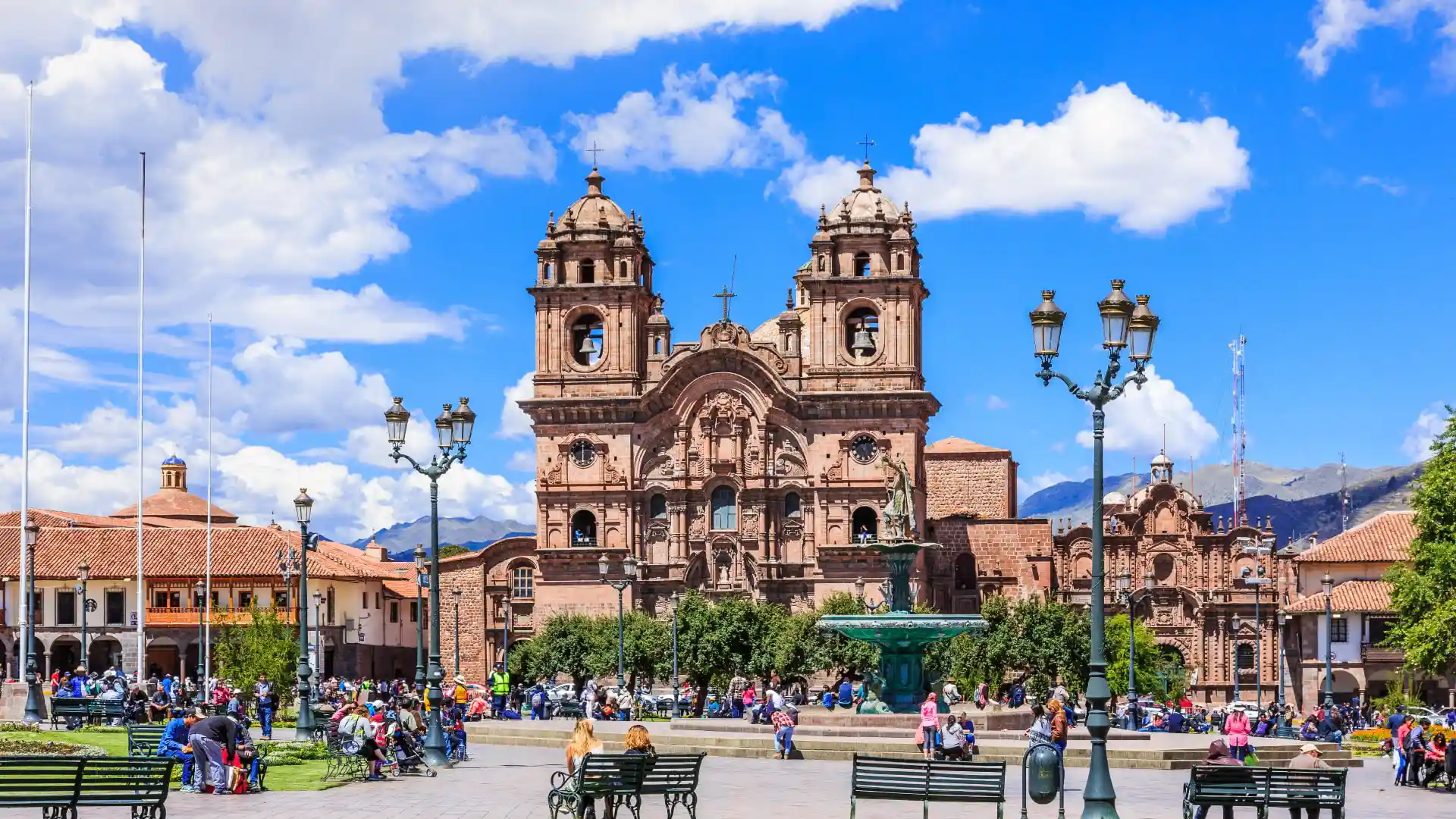
The Cusco Cathedral, also known as the Cathedral Basilica of the Assumption of the Virgin, dominates the Plaza de Armas in Cusco with its striking colonial architecture and rich artistic heritage. Built on the foundations of the Inca palace of Viracocha, the cathedral presents a remarkable fusion of Spanish colonial design and indigenous craftsmanship. Inside, visitors can admire an impressive collection of religious paintings from the Cusco School of Art, centuries-old woodwork, and gilded altars. Don’t miss the Christ of the Earthquakes, an iconic statue believed to have protected the city during historic tremors.

Palcoyo, often called the Three Rainbow Mountain experience, offers an incredible alternative to the more popular Vinicunca Rainbow Mountain. Located outside Cusco, this hike brings you to colorful stratified mountains with the same vibrant hues — red, yellow, green, and blue — but with fewer crowds and a gentler trail. The higher vantage points offer panoramic views of the Andes, snowy peaks, and sweeping valleys. It’s a perfect option for travelers looking to witness dramatic geology without the more strenuous conditions of other high-altitude hikes.

Just above the city, the Sacsayhuaman ruins stand as one of the most impressive examples of Inca stonework. Massive, intricately fitted stones weighing several tons were placed without mortar, a testament to Inca engineering genius. The fortress served not only as a ceremonial center but also as a strategic defense point overlooking Cusco. During the summer solstice and Inti Raymi festival, Sacsayhuaman comes alive with cultural celebrations that echo ancient traditions. Walk among the terraces and experience extraordinary views of the city framed by the Andes.

Nestled on a hill above the Plaza de Armas in Cusco, the neighborhood of San Blas is known for its artistic energy, narrow cobblestone streets, and artisan workshops. Galleries and boutiques offer handcrafted textiles, ceramics, and unique souvenirs made by local craftspeople. Stop by the San Blas Church and its famous pulpit — carved from a single piece of cedar — or relax at one of the cozy cafés that overlook the valley below. This neighborhood offers a quieter, more intimate side of Cusco that contrasts beautifully with the bustling city center.

Often called the Bath of the Inca, Tambomachay is an enchanting Inca site just a short drive from Cusco. Known for its finely engineered water channels, aqueducts, and cascades, Tambomachay was likely an important place of ritual bathing and worship, honoring water as a sacred element. The flowing springs and stone structures reflect the Inca’s deep respect for nature and hydrology. The site’s cascades, terraces, and scenic surroundings make it a peaceful stop on any exploration of the region.

Most travelers spend three to five days in Cusco to acclimate and explore the city and nearby attractions.
You can travel from Cusco by train, guided tour, or trekking route as part of a structured itinerary. We can make it happen!
Transportation in Cusco includes taxis, private transfers, walking, and organized tours.
At approximately 3,400 meters (11,152 feet) above sea level, some travelers may feel mild symptoms due to Cusco’s elevation, but proper acclimatization helps reduce discomfort.
Yes, combining Cusco and Machu Picchu is one of the most popular travel itineraries in Peru.
The Peruvian Sol is the official currency used throughout Cusco, Peru.
Yes, Cusco is located at a higher altitude than Machu Picchu, making it ideal for acclimatization.
Questions? Need help deciding? Have a chat with our Destination Experts that have enjoyed Peru’s itineraries!

We'll call you back within 5 minutes.