 Skip to content
Huaraz, named after the Quechua word “Waraq” which means “sunrise”, is the second largest city in the Peruvian Andes, and is located in northern Peru at the foot of both the Cordillera Blanca (snow-capped mountains) and the Cordillera Negra (mountains without snow). The “Switzerland of the South” has stunning landscapes, natural peculiarities, and archaeological wonders making it a destination in Peru that visitors cannot miss.
Huaraz is situated in the north Peruvian Andes about 420 kilometers (260.98 mi) north of Lima. It is surrounded by the gorgeous Huarascán National Park and lies at the foot of the Cordillera Blanca, which is home to one of the only glaciers in the tropics of South America.
There are two ways to get to Huaraz- the cost-effective way and the fast way. Firstly, those who want to save money can take a bus from Lima, which costs about US$10 and takes about 7 to 8 hours. Flights are also available from Lima, which take about 50 minutes and are priced from US$122 depending on the season.
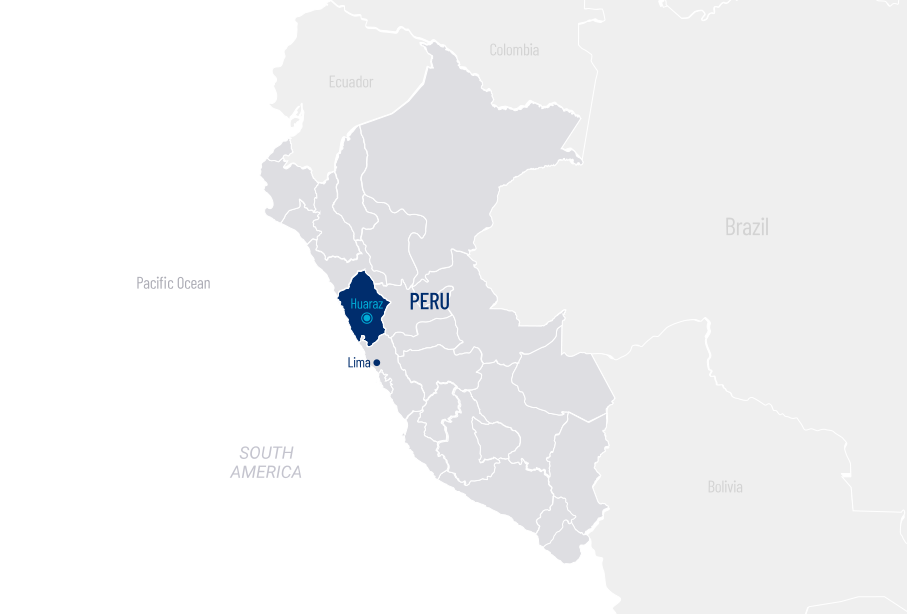
Huaraz is cradled within the Andes Mountains and rests at 3,052 meters (10,013 ft) above sea level. Visitors who plan on trekking through the National Park should plan a few days of rest in the city to acclimatize to the altitude.
As it is located at a high elevation, the climate and weather of Huaraz should be taken into account when traveling there. The best time of year to visit is May to September, which is generally considered the dry season. As a bonus, there are also many festivals during these months, which are a great way to experience the Huaraz culture way of life.
Throughout the year, temperatures tend to range between 11°C and 17°C (33.8°F and 62.6°F). The mornings are generally sunny and dry whereas the evenings become cooler as the sun disappears. The only difference during the rainy season from December to March is that seasonal rainfall can reach up to 1,000 millimeters (39 in). No matter what, a warm sweater and long pants are always necessary.
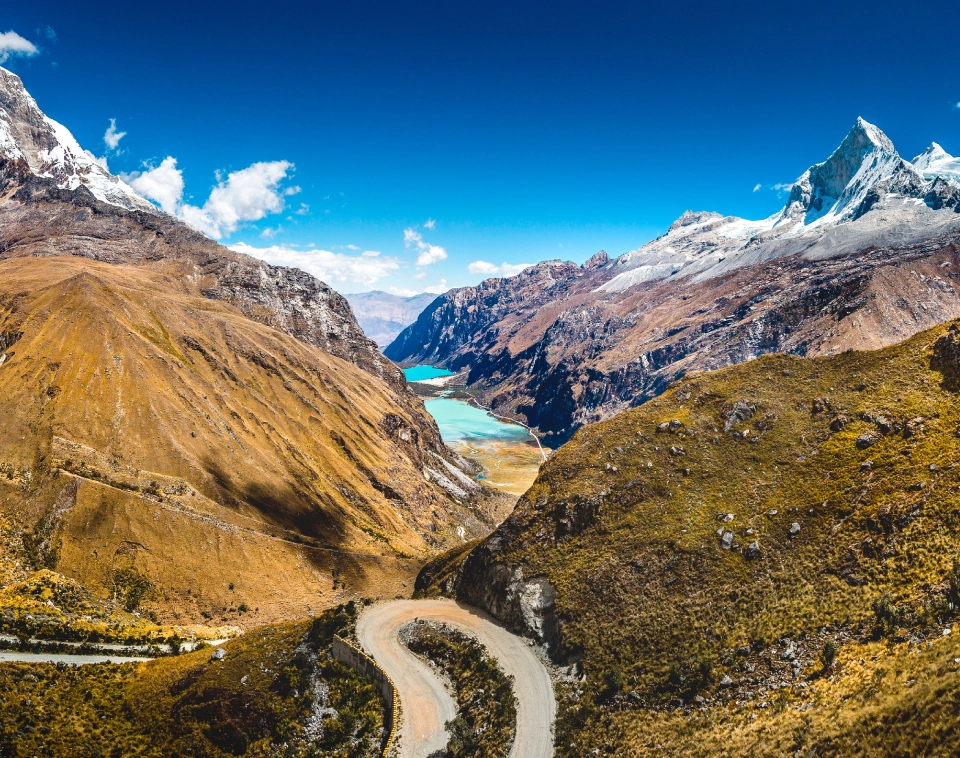

Llanganuco Lake & Lake 69

Huascarán Mountain Climbing
Huascarán National Park in Huaraz is a top destination for mountaineers, known for its unique flora, fauna, and hiking trails. The park’s peaks, North and South Huascarán, are accessible from Musho, a 1.5-hour drive from Huaraz. Climbing requires experienced guides. Key highlights include Refugio “Don Bosco” Huascaran, Garganta, and alternative climbs like Pastorruri and Nevado Mateo.

Chavin de Huantar
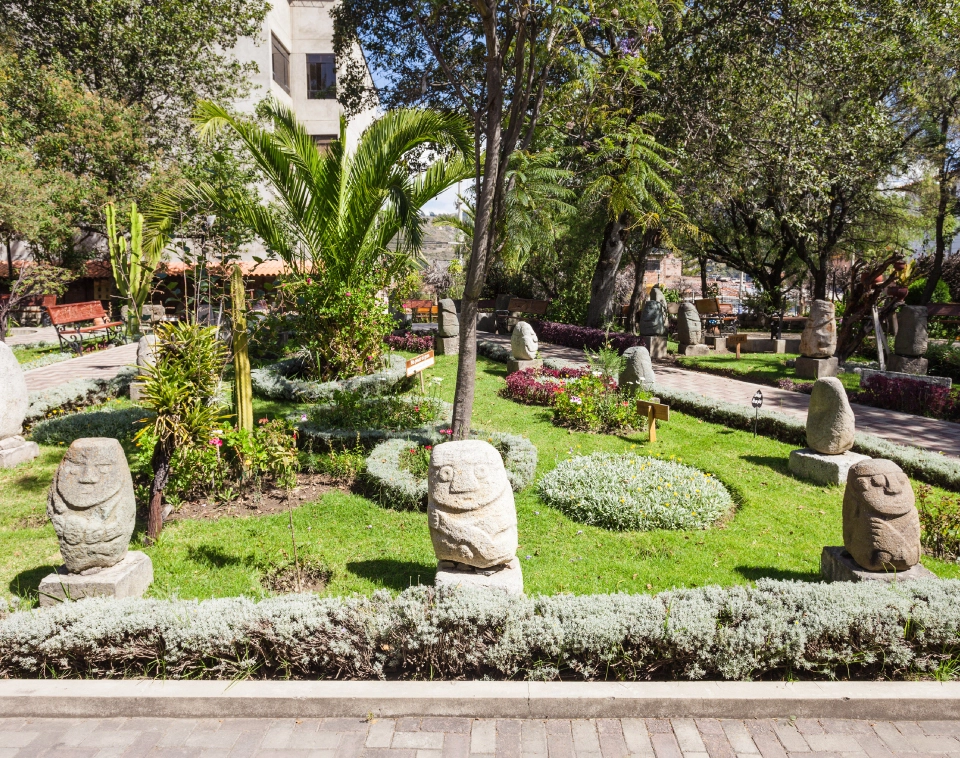
The Archaeological Museum of Ancash is a popular attraction that tells the stories of the different groups who have inhabited the Ancash Region. It also has a Monolithic Park, which is thought to be the largest stone park in South America. This museum is located across from the Plaza de Armas (Main Square) where visitors can take photos with alpacas and llamas.
The perfect place to purchase souvenirs is the artisanal alley in the city center where locals sell handicrafts and small souvenirs such as clothes, food, and jewellery made from locally mined tin, copper, and silver.
José Olaya street is the only part of the city where the original huge mansions of mud and gabled roofs with narrow streets remain after the rest of the city was devasted by avalanches, earthquakes, and flooding.
About 7 km (34.35 mi) from the city, or 35 minutes by car, is the Wilcahuain temple which is an excellent representation of the pre-Hispanic era showing off the Wari culture from 700 AD to 1100 AD. Another point of interest is the Lord of Soledad Chapel located in La Soledad, which was founded during colonial times.
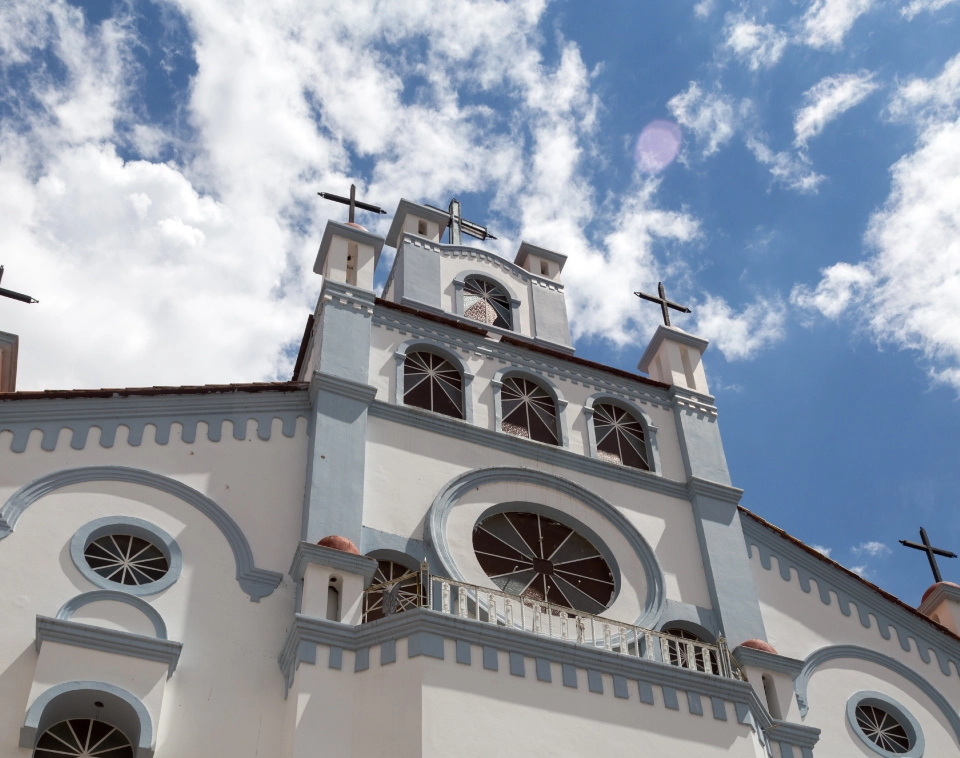
From the ruins scattered around Huaraz, it is clear that the city had a long and storied history even prior to the arrival of the Spaniards even though very little is known apart from some ruins dating back to 10,000 BC. In 1533, Hernando Pizarro and his Spanish Army troops arrived in the area. They noted the fertile soil and the prosperous villages in the surrounding areas with their livestock and agriculture and decided to stay.
From the city’s inception, the Spaniards focused on mining in the region. They mined silver, lead, and tin, just to name a few, creating a profitable industry, but also exploiting the several hundred Quechua workers who labored in the mines from the 1570s onwards. The city met disaster in 1941 as the dam in Lake Palcacocha -which provided water to the city- burst, destroying the north and center of the city by floodwaters and avalanche debris. In 1970, the same dam burst again due to a devastating earthquake. About 20,000 people were killed, and only 91 survivors were reported within the city itself. Once again, the city had to be rebuilt to its current post-1970 beauty.
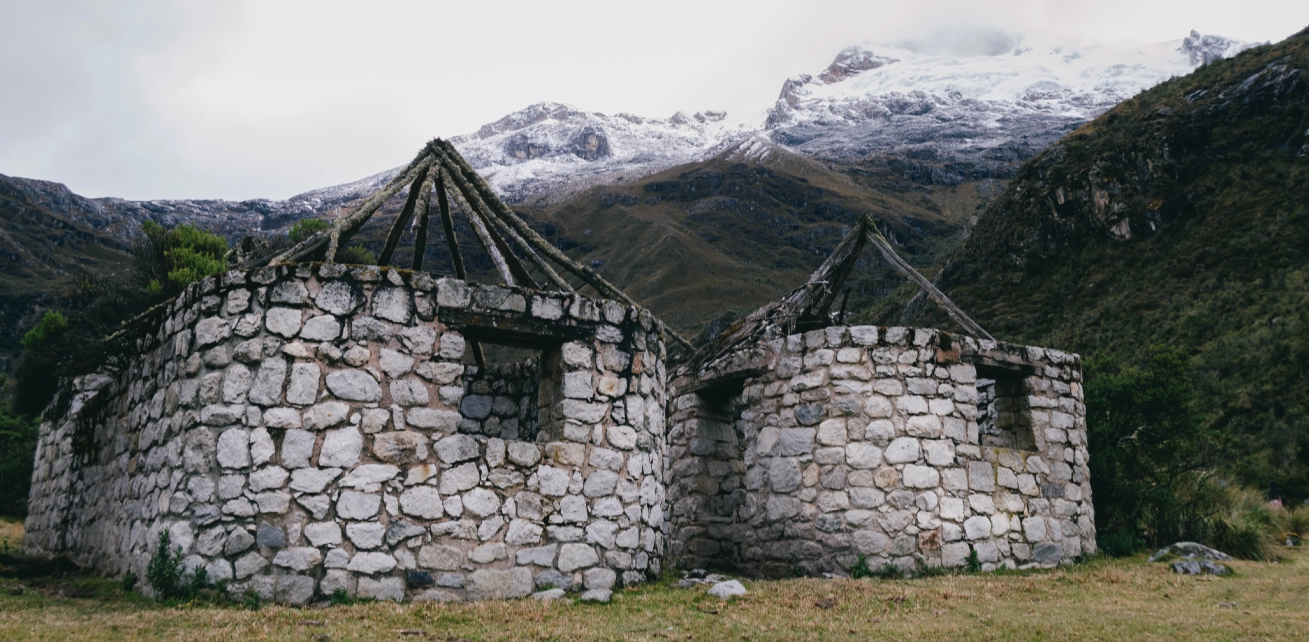
A good way to acclimatize to the altitude is short half-day walks. One such walk is to the Pukaventana hills, which lie west of the city. The trip there takes about 2 hours, and has a panoramic view over Macashca village and the surrounding mountains.
For a relaxing time after a hard day’s hike, the Monterrey Baths, or hot springs, offer relief with their medicinal properties.
The variety of dishes available in Huaraz deserves a visit on its own. Of course, there are the usual Western-inspired dishes, but for a little adventure, the traditional Huaraz food is both tasty and succulent. Here are a few highly recommended dishes:




Questions? Need help deciding? Have a chat with our Destination Experts that have enjoyed Peru’s itineraries!
We'll call you back within 5 minutes.
