

Arequipa, the White City of Peru, enchants visitors with its stunning architecture, rich history, and breathtaking scenery. Crafted from volcanic Sillar stone, its luminous white buildings create a unique charm in the Andes. The city’s historic center, a UNESCO World Heritage Site, features baroque churches, elegant mansions, and cozy cafés, blending sophistication with authenticity. Beyond its polished exterior, Arequipa boasts a warm, welcoming community known for its humor, hospitality, and pride in local traditions.
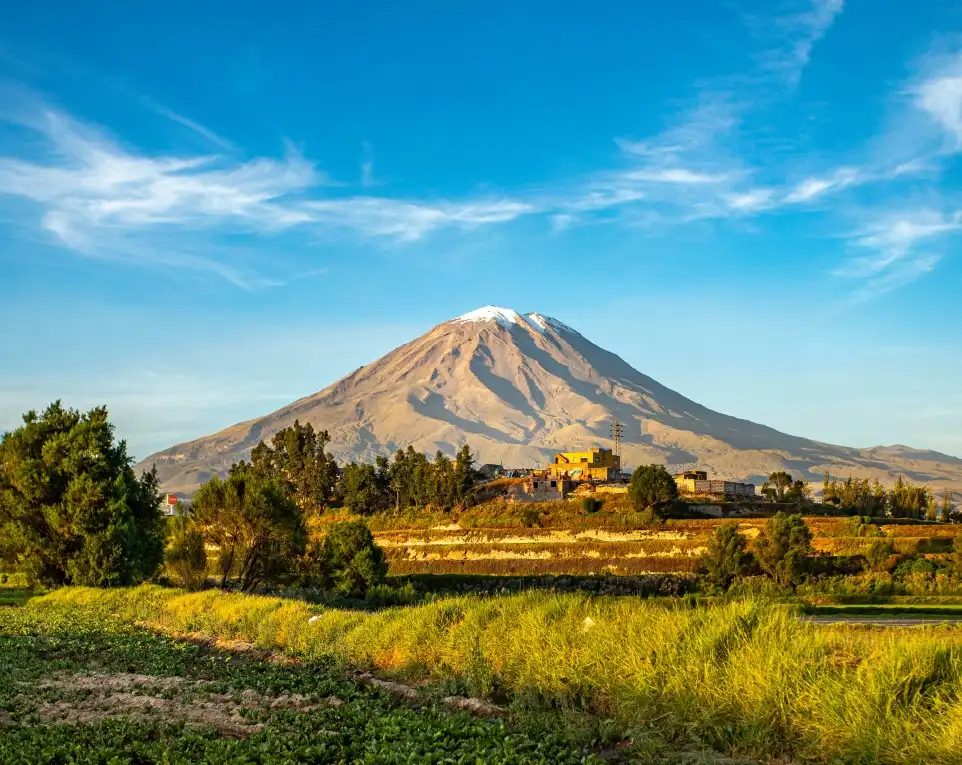
Framed by the majestic volcanoes Misti, Chachani, and Pichu Pichu, Arequipa’s skyline offers dramatic views that elevate even the most ordinary moments. As a gateway to natural wonders, the city invites travelers to explore its museums, savor world-class cuisine, and enjoy leisurely walks. With vibrant nightlife, a thriving artisan scene, and boutique accommodations, Arequipa is more than a stopover—it’s a destination perfect for couples, families, and solo adventurers alike.
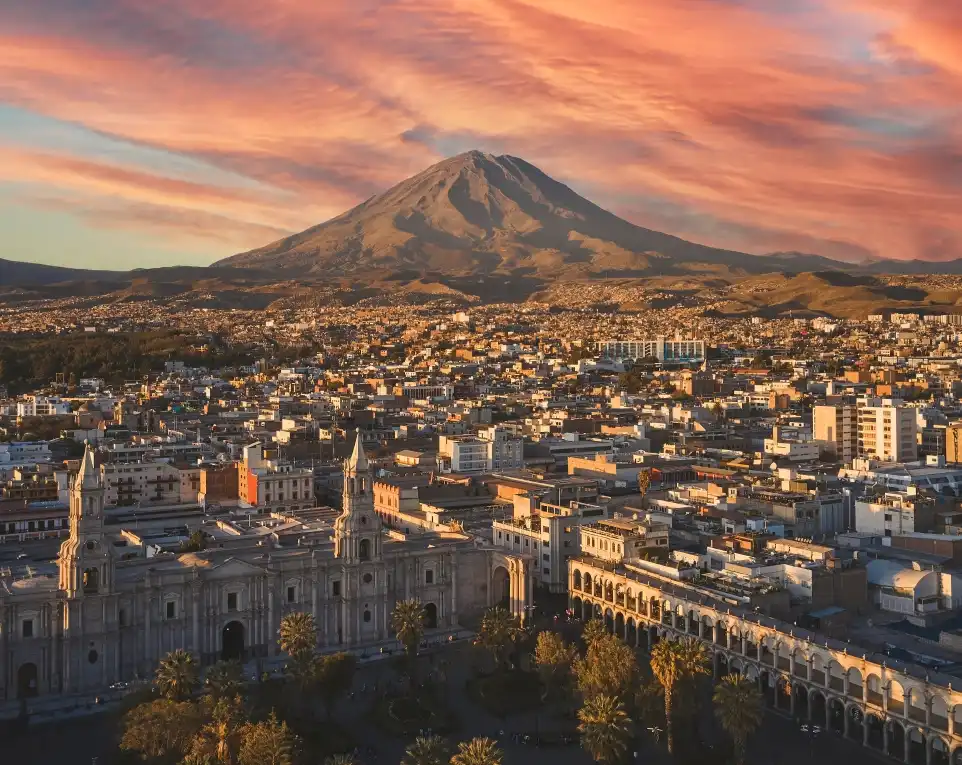
Arequipa, nestled in the fertile Chili River valley, boasts a unique blend of highland and desert geography. Positioned at the crossroads of coastal plains, Andean highlands, and volcanic formations, its landscape features sweeping plateaus, lush terraces, and river-fed green corridors. The surrounding volcanoes, like Misti and Chachani, have shaped the region, depositing Sillar stone—white, porous, and lightweight—used in Arequipa’s iconic architecture. Visitors can tour quarries to see how this stone is cut and crafted.
Agriculture thrives in the Chili Valley, producing maize, garlic, chili peppers, onions, and renowned cheeses. Villages preserve ancient terracing and irrigation techniques from pre-Inca cultures. As a transportation hub in southern Peru, Arequipa offers easy access from Lima by bus or plane. From here, travelers can explore diverse landscapes, from desert coastlines to snow-capped peaks, making Arequipa a captivating destination rich in natural and cultural contrasts.
Arequipa boasts a near-perfect climate, with 300 sunny days annually, mild temperatures, and low humidity, making it ideal for exploration and outdoor activities. Arequipa’s altitude brings crisp evenings, so a light jacket is recommended. Clear skies showcase stunning volcano views at sunrise and sunset, while dry air preserves the city’s striking stone architecture. Rainfall is minimal, mainly from January to March, with brief afternoon showers that rarely disrupt plans. Streets dry quickly in the desert environment. Visitors adjusting to the altitude often experience mild symptoms, which can be alleviated by relaxing in sunny plazas or strolling through the historic center, ensuring a smooth and enjoyable stay.
As a UNESCO World Heritage Site, there’s no question that Arequipa is special, not only for the natural beauty surrounding the city but also for the historic beauty of the town itself. Here are some places that you can’t miss:
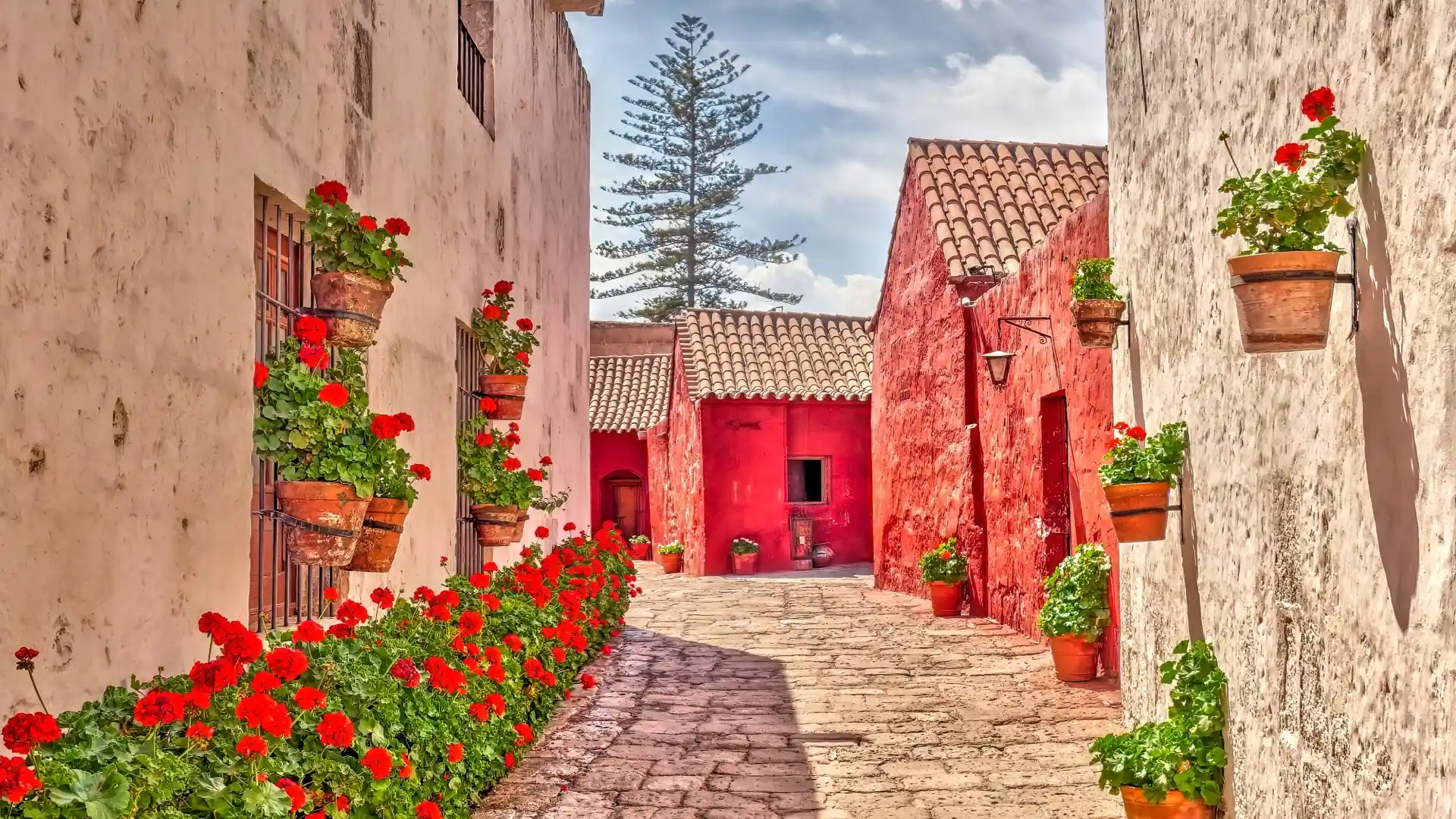
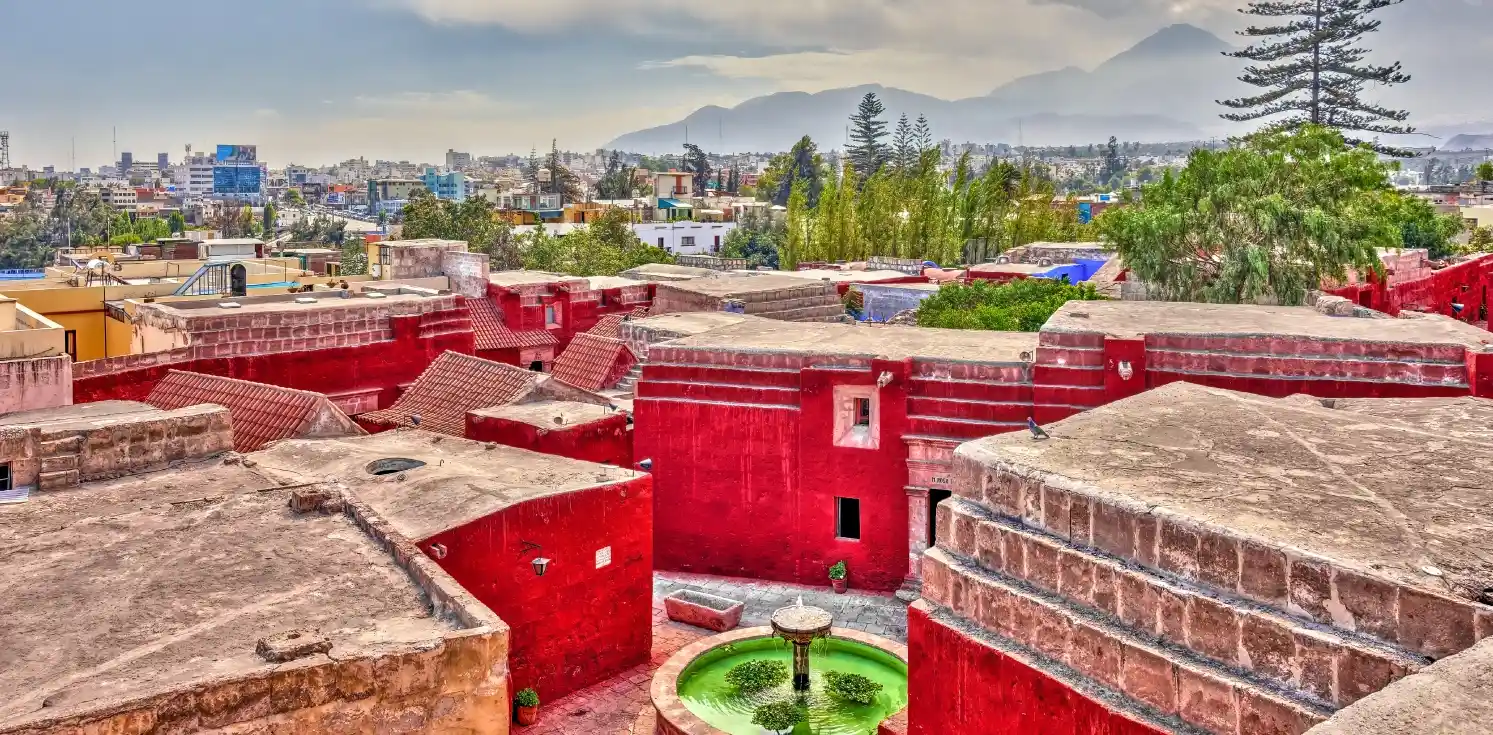
Santa Catalina Convent
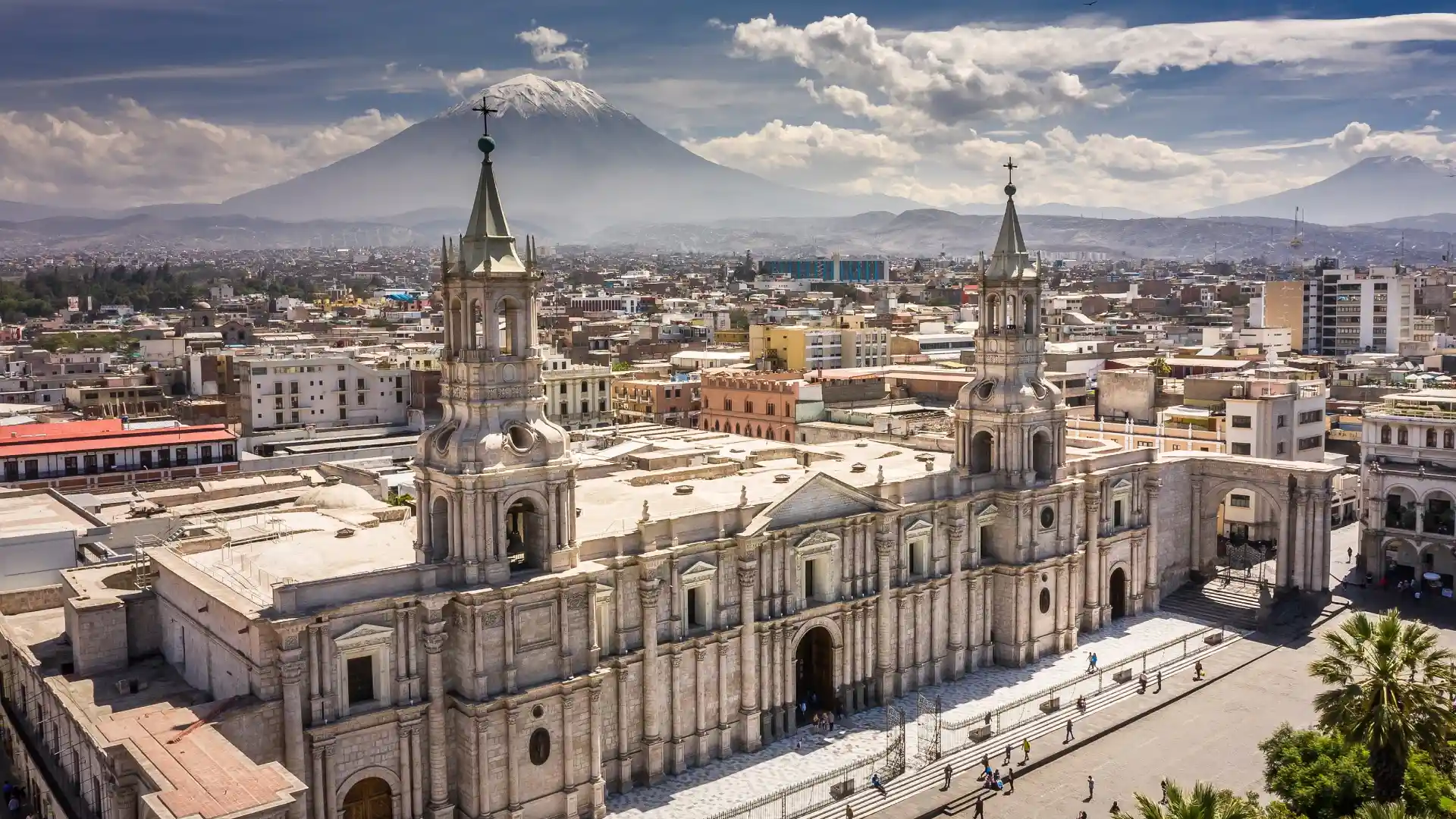
Main Square
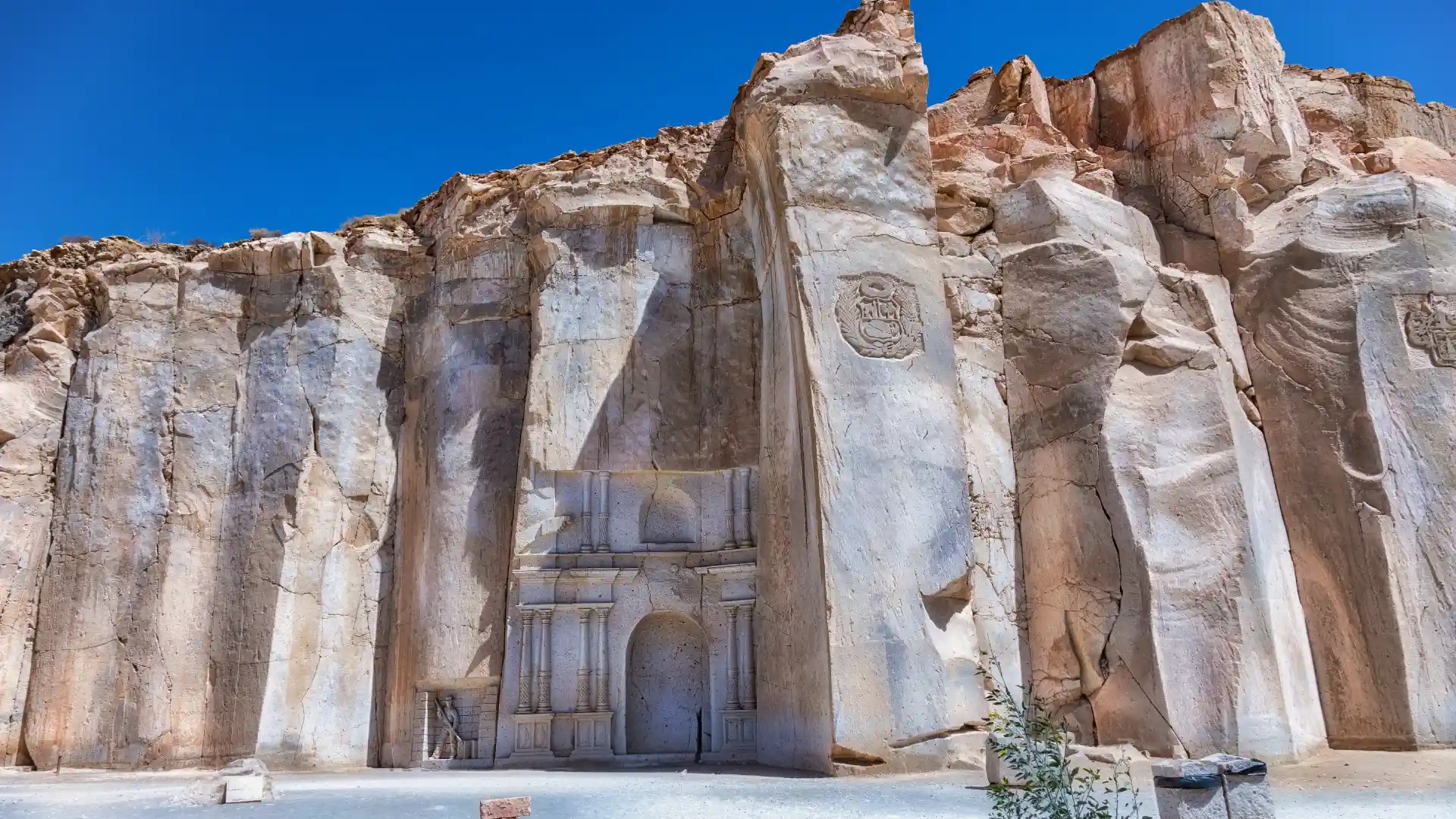
Sillar Quarries
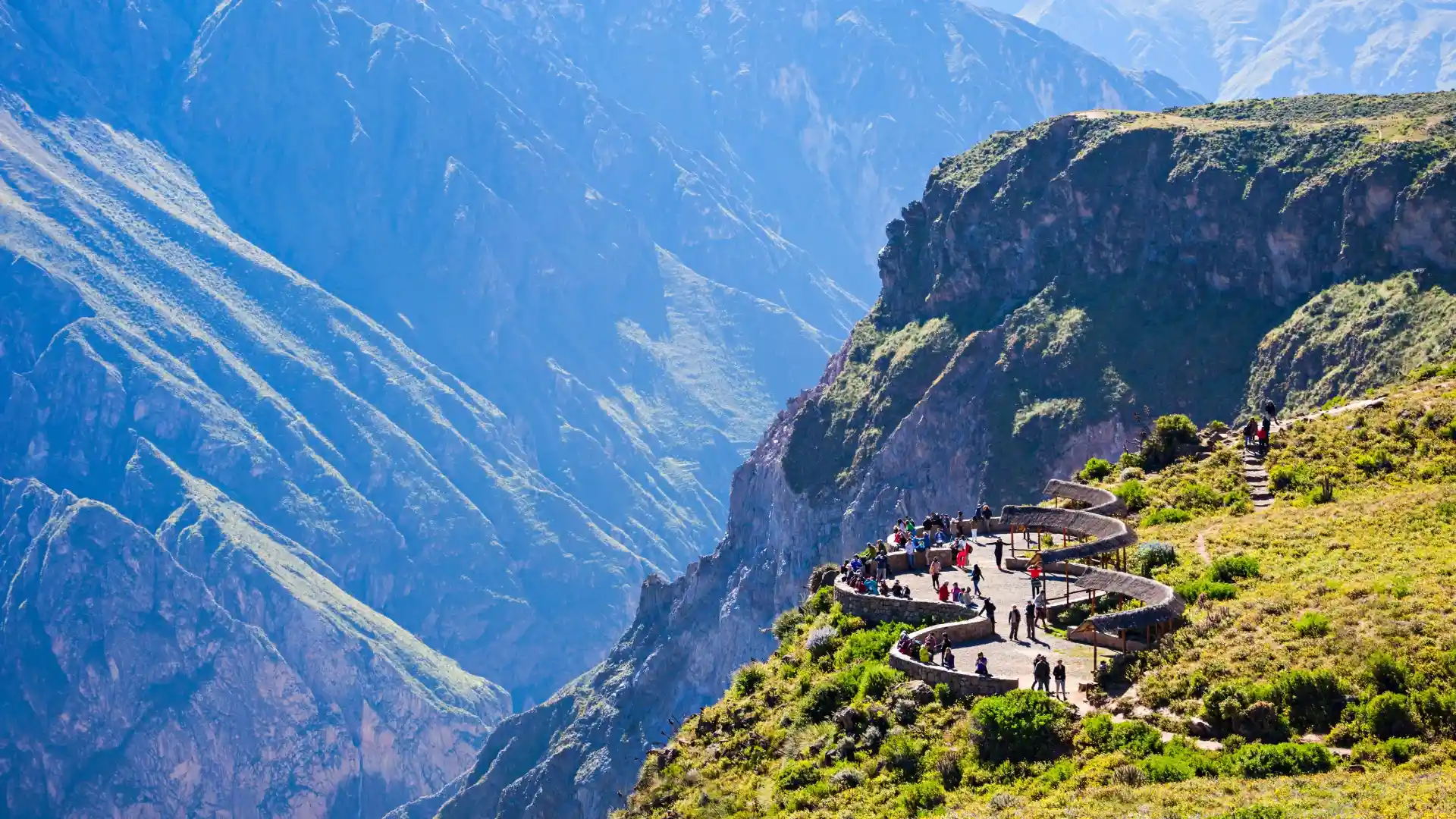
Colca Canyon
The region’s history stretches back thousands of years. Before the arrival of the Spanish, the area was home to several Andean cultures, each contributing agricultural innovations that shaped life in the valley. These early civilizations constructed terraces, canals, and farmland that continue to shape local agriculture today.
Spanish colonization began in 1540 when Arequipa was officially founded. Thanks to its strategic location, the city quickly developed into a major trade center, connecting the coast, the Altiplano, and the southern Andes. Colonial wealth fueled the construction of elaborate churches, mansions, and public buildings—many of which still stand today.
Despite its beauty, Arequipa faced frequent challenges, particularly from earthquakes. The city’s resilience became a defining characteristic, and reconstruction efforts over the centuries enhanced its architectural legacy. Today, Arequipa is celebrated not only for its buildings but also for its contributions to literature, politics, and philosophy.
Local identity remains strong, and residents often proudly refer to themselves as Arequipeños, emphasizing their distinct culture within Peru. Celebrations, festivals, and culinary traditions reinforce this sense of heritage, making the city a living expression of its long and rich past.
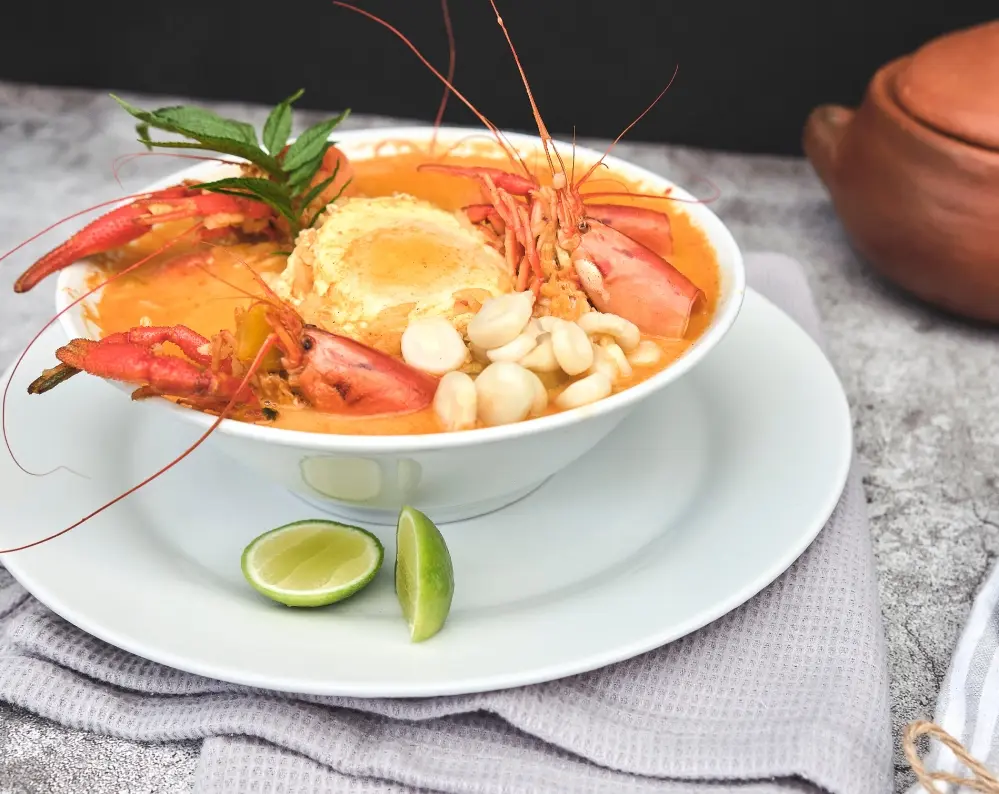
Culinary culture is one of the strongest reasons travelers fall in love with Arequipa. The city’s cuisine reflects centuries of tradition, blending indigenous, Spanish, and mestizo influences into dishes that are both hearty and complex.
Picanterías are the soul of the region’s gastronomy. These traditional restaurants serve meals prepared over firewood, using local ingredients that have defined the region’s flavor profile for generations. Many dishes are served with a satisfying kick of spice—carefully balanced, never overwhelming.
Popular plates include:
Desserts and sweets also shine in Arequipa, with offerings like Queso Helado (a spiced frozen treat) and homemade chocolates crafted with Andean ingredients. Modern restaurants complement the city’s traditional dishes, offering innovative cuisine that brings new life to classic flavors.
Visitors searching for things to do in Arequipa will find an endless list of activities for every interest level. Exploring the historic center offers a deep dive into architecture, history, and daily life. Museums provide fascinating insights into ancient civilizations, colonial influences, and religious traditions.
One of the most memorable things to do in Arequipa is a guided food tour that introduces travelers to local markets, picanterías, and artisanal shops. Cooking classes also offer a hands-on way to learn about local ingredients and techniques.
Nature lovers have plenty of options as well. Trekking around the volcanoes, hiking through the surrounding valleys, or embarking on canyon adventures allow visitors to experience southern Peru’s dramatic landscapes. Visiting the Colca Canyon—one of the top things to do in Arequipa —offers breathtaking views and the chance to see the majestic Andean Condor soaring above deep canyons.
Urban explorers will find the city itself endlessly charming. Wandering through the San Lazaro district, visiting local crafts markets, or enjoying coffee in a sunlit plaza rank among the most relaxing things to do in Arequipa.
After exploring the area, many travelers continue their journey from Arequipa to Cusco, using the city as a bridge to further Andean adventures.
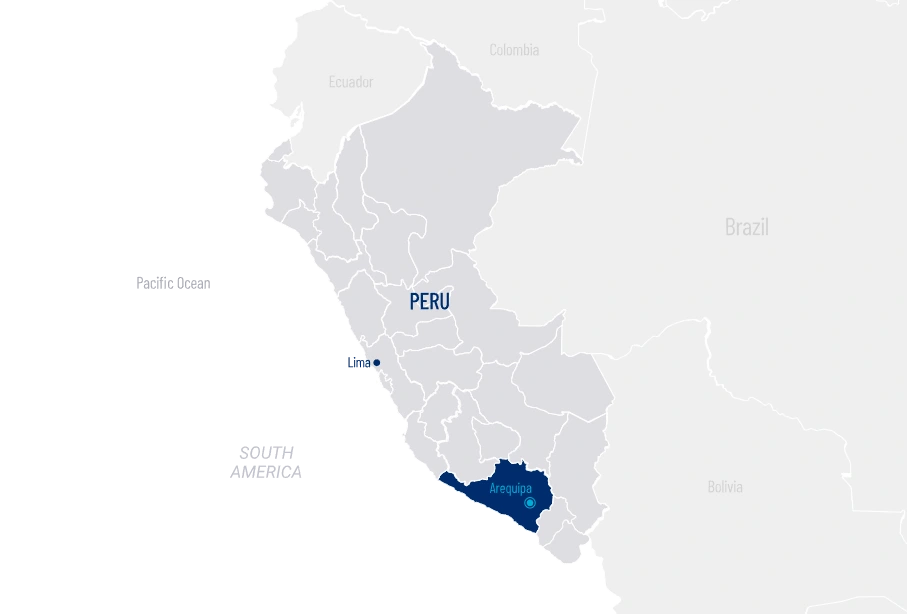
Arequipa is located in southern Peru between the Pacific Ocean and the Andes Mountains. Its location makes Arequipa a natural hub for exploring valleys, volcanoes, and nearby historical sites.
Arequipa is renowned for its white volcanic-stone architecture, world-class cuisine, and stunning natural surroundings. Many travelers consider Arequipa one of Peru’s most beautiful and culturally rich cities.
Absolutely. Arequipa offers a perfect blend of architecture, history, cuisine, and outdoor activities, making it a must-visit destination. Many visitors say Arequipa ends up being one of the highlights of their Peru trip.
Symptoms are possible but generally mild compared to higher cities. Resting and staying hydrated after arriving in Arequipa helps ensure a comfortable adjustment.
Spanish is the main language spoken in Arequipa, though Quechua and other Indigenous languages are present in rural surrounding communities.
Questions? Need help deciding? Have a chat with our Destination Experts that have enjoyed Peru’s itineraries!

We'll call you back within 5 minutes.