Discover the mysteries of the Galapagos Islands, an enchanting archipelago in the heart of the Pacific Ocean. This guide delves into its rich biodiversity, unique landscapes, and intriguing history. Join us in exploring the natural wonders and extraordinary wildlife that made these islands a source of inspiration for Charles Darwin’s theory of evolution.
The Galapagos Islands are famous for the diverse plant and animal life found both on land and in the surrounding seas. With more than 400 species of fish, some of the most unique birds on the planet, and an iconic collection of other native and endemic Galapagos wildlife, visiting the islands can feel like you’re literally stepping into a National Geographic-style documentary. A visit to this remarkable archipelago may be a lot more viable than you think. Here are 20 interesting facts about these awesome Islands to pique your curiosity.
These “Enchanted Isles,” located about 600 mi (970 km) off the coast of Ecuador, are incredibly significant in scientific research. Thankfully, the Galapagos National Park, established over 60 years ago through presidential decree, has taken the lead in facilitating these critical studies, whose conclusions have helped guide conservation and protection efforts in the region. This is a big deal because 97% of the island’s land mass has been declared a national park, and the surrounding waters have been named a UNESCO Biosphere Reserve. Ecuador protects the park and the marine reserve, which are primarily uninhabited. The Galapagos National Park collects an entrance fee from all island visitors (currently USD 200). The remaining 3% of land areas outside the national park are home to roughly 30,000 people.
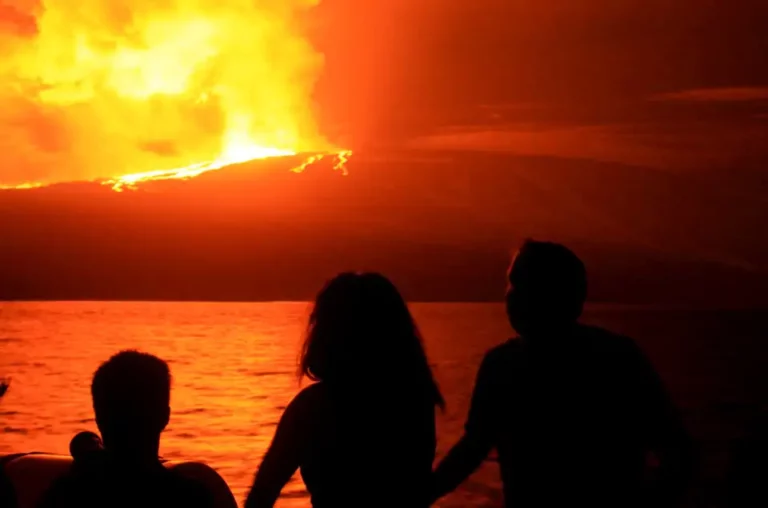
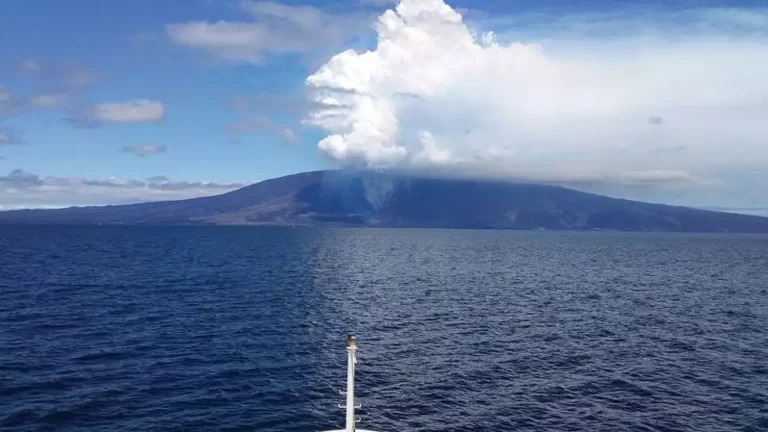
The Galapagos Islands, a volcanic archipelago in the Pacific Ocean, have experienced numerous volcanic eruptions over the past century. The most recent eruption occurred at Sierra Negra Volcano on Isabela Island from June 26 to August 23, 2018. These eruptions have raised concerns about potential repercussions on the islands’ unique flora and fauna, particularly on endemic species like the iconic pink iguanas. Despite the possible destruction, volcanic eruptions offer a unique opportunity to study volcanic dynamics and their impact on island ecosystems. The islands also attract tourists, serving as a reminder of Earth’s constant evolution and the unstoppable force of our planet. Protecting and studying these natural phenomena is crucial for better understanding our world and preserving the rich biodiversity for future generations.
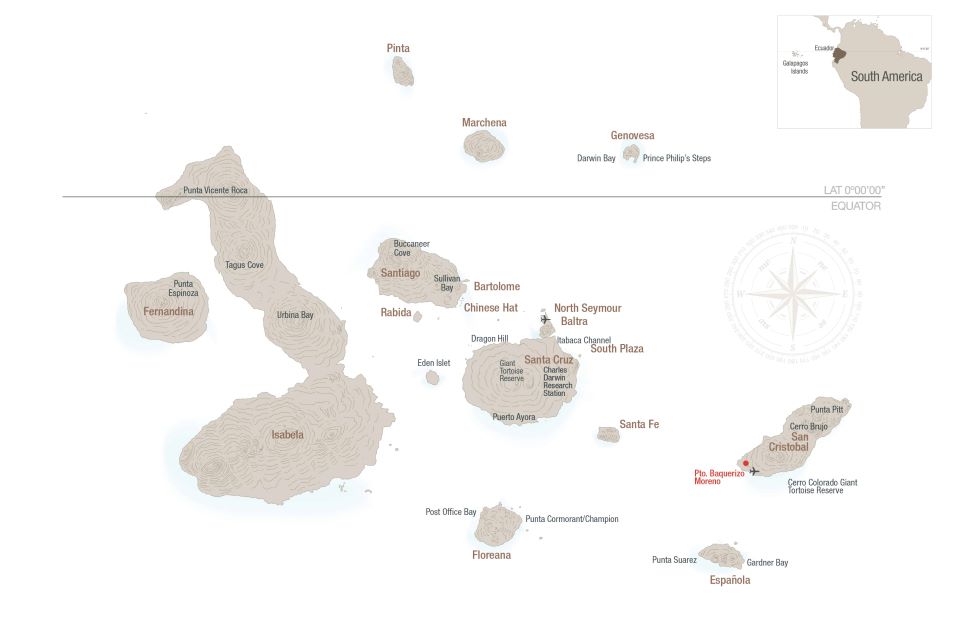
By most accounts, the Islands are comprised of a total of 19 islands and dozens of islets. However, keep in mind that it is constantly changing due to continuous volcanic activity, with new formations emerging or sinking, meaning new islands may very well be forming as we speak! Get to know more about how to get to the Galapagos.
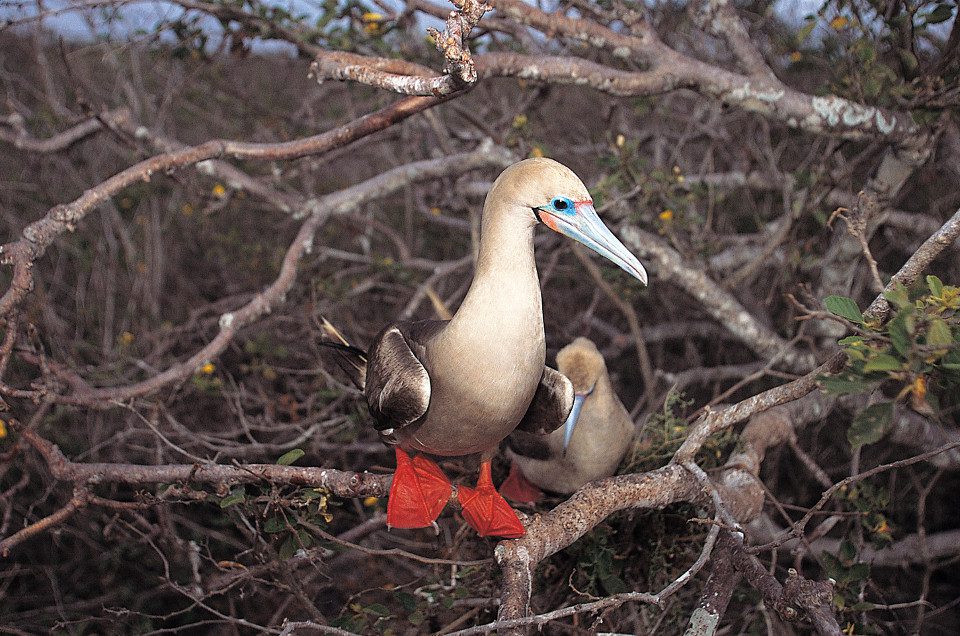
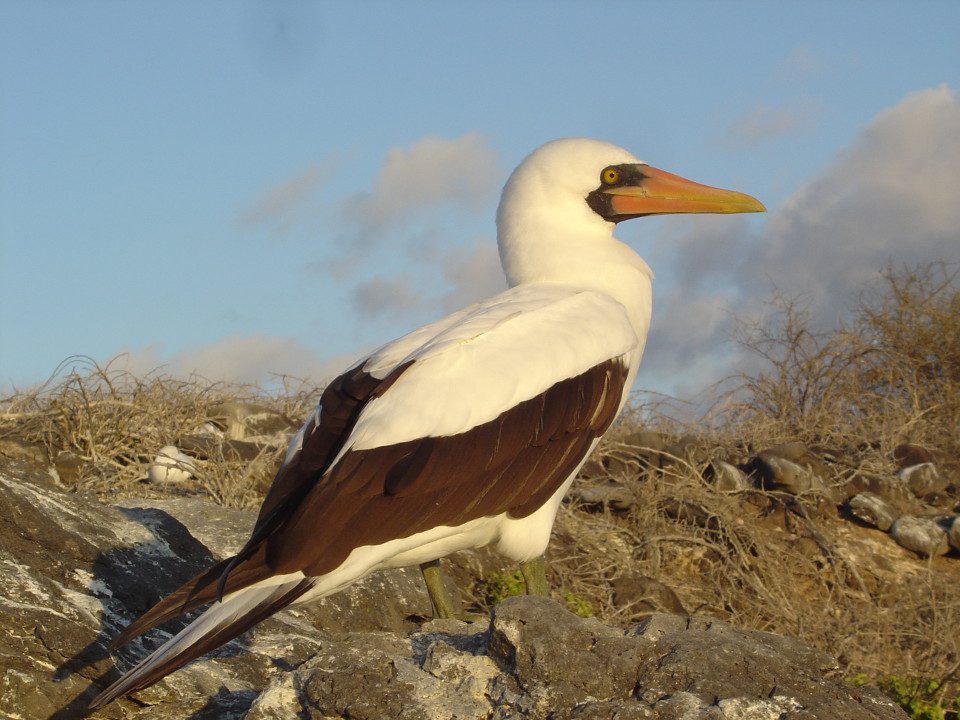
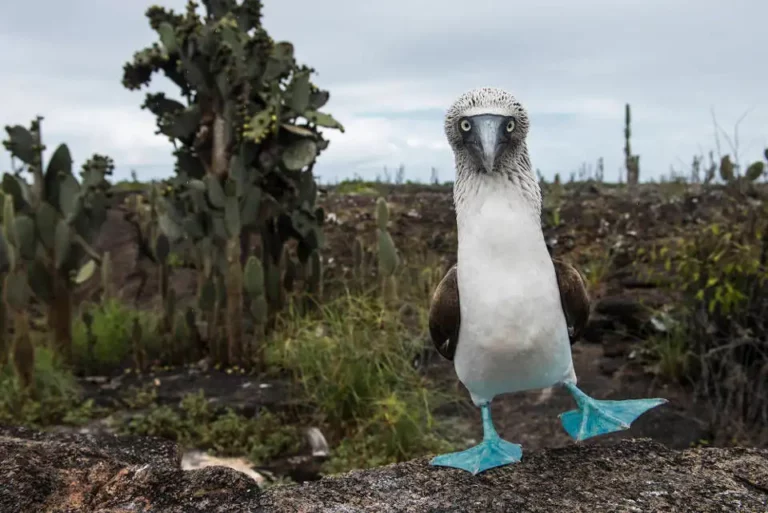
Boobies belong to the gannet group (Sulidae). They are the most popular seabirds because they occupy some curious habitats and have colorful webbed feet. Red-footed boobies use the branches of trees and bushes as nesting areas, while blue-footed boobies and Nazca boobies nest along the ground, a bit further inland. Their distinctive diets are responsible for the pigmentation in their feet.
Red-Footed Boobies Spotted Resting On The Branches.
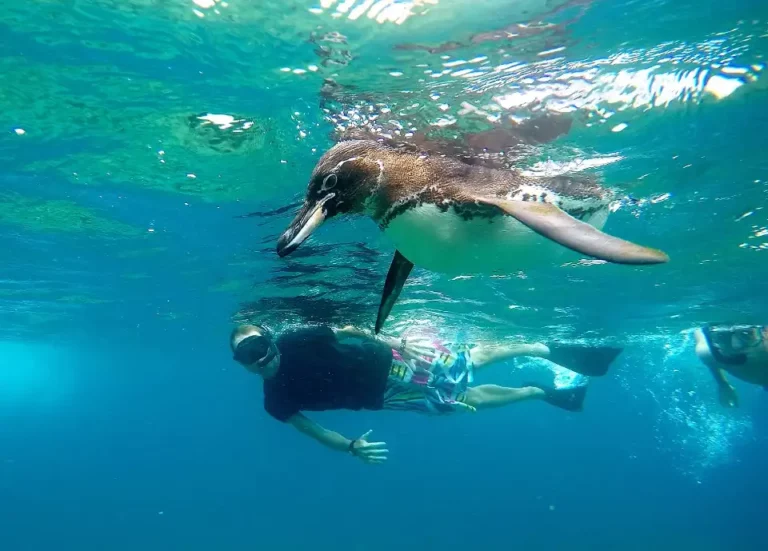
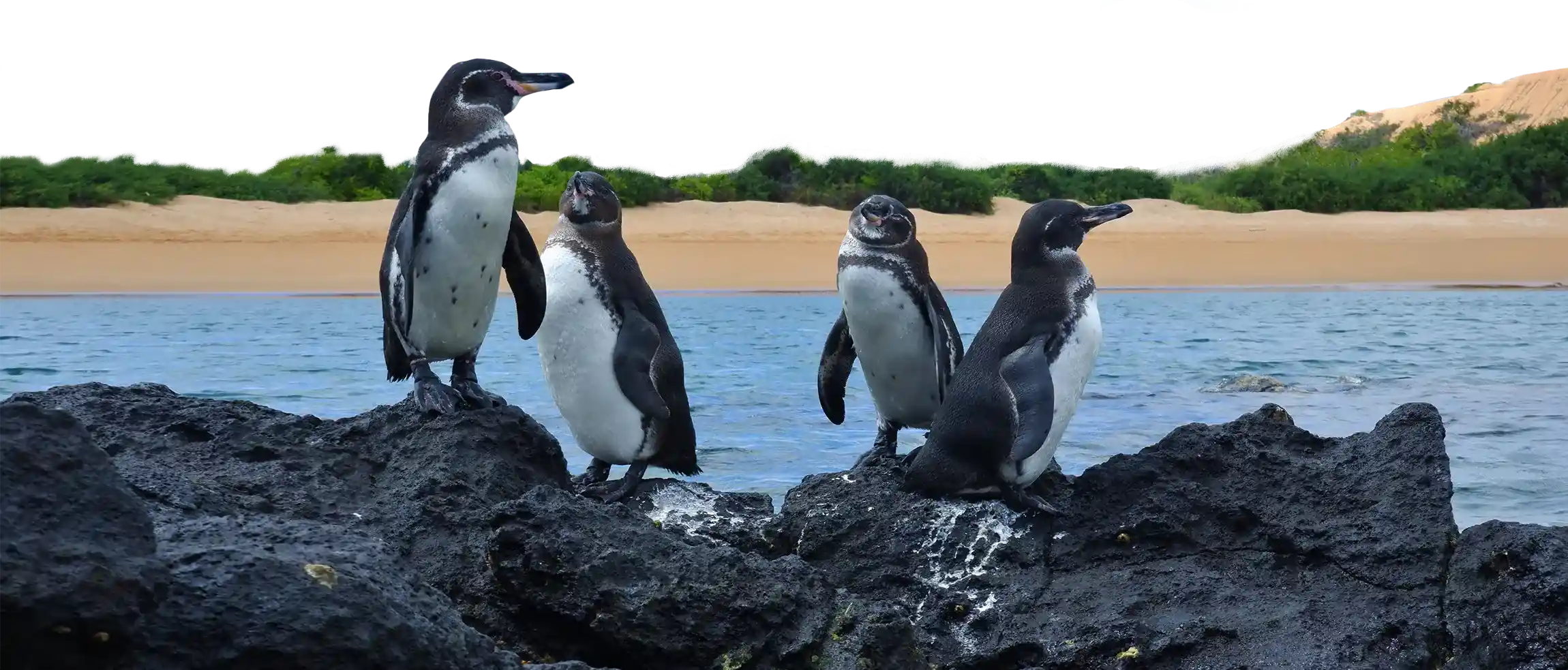
The Galápagos, a tropical archipelago, is home to the unique marine and air currents that contribute to the outstanding ecological balance of the region. The Galápagos penguin, the second smallest species, adapts to the warm climate of the Isabela and Fernandina islands, utilizing its smaller size and extended water-based activities to maintain coolness. Conservation efforts are underway to protect their nesting sites and preserve their unique species, challenging common perceptions of the planet’s ecological diversity.
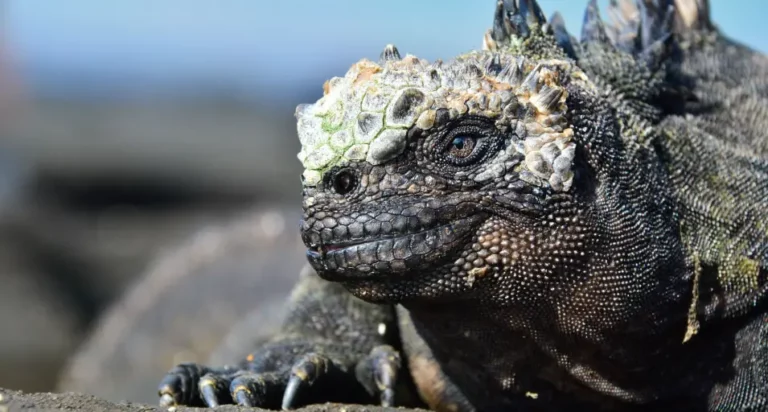
Nearly 20% of the marine life in the islands is endemic to the area; this includes marine iguanas. These are the only lizards in the world who enjoy water so much that they’ve learned to swim in it! They feed almost entirely on seaweed (algae).
Observe The Wonderful Marine Iguanas!
7. Any time is a great time to visit
The Galapagos Islands, located near the equator, have a year-round temperate climate with two distinct seasons: a hot season from December through May and a slightly cooler dry season from June through November. The islands are either lush, green, tropical or barren, colorful, and arid, with more rainfall in the hot season and calmer seas. The dry season experiences southeast trade winds, indicating increased marine activity. It is an ideal year-round destination with the best packages offering significant savings, including accommodations, meals, transportation, and activities in Galapagos. Read our blog about the best time to go to Galapagos Islands.
8. The amount of daylight remains the same all year-round
Another cool feature of the Galapagos is that the days and nights are of equal duration, so you’ll have plenty of chances to see the diurnal and nocturnal animals. Because of its tropical location, there is no need for daylight savings. Throughout the year, there is an average of 12 hours of sunlight daily.
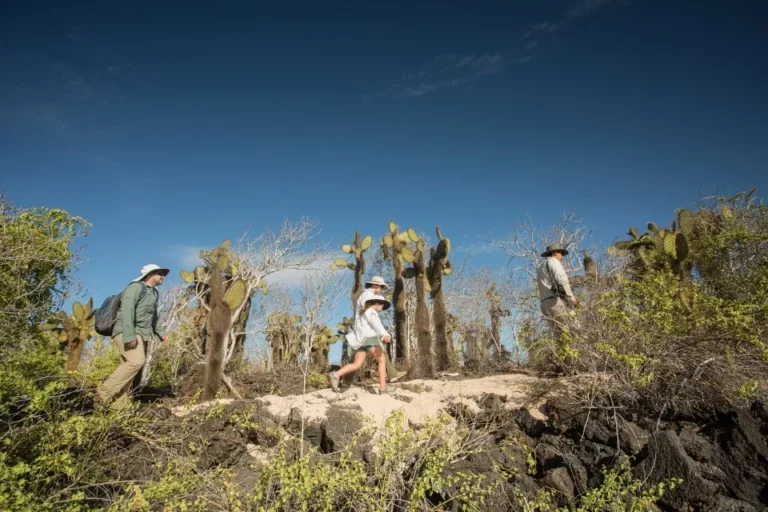
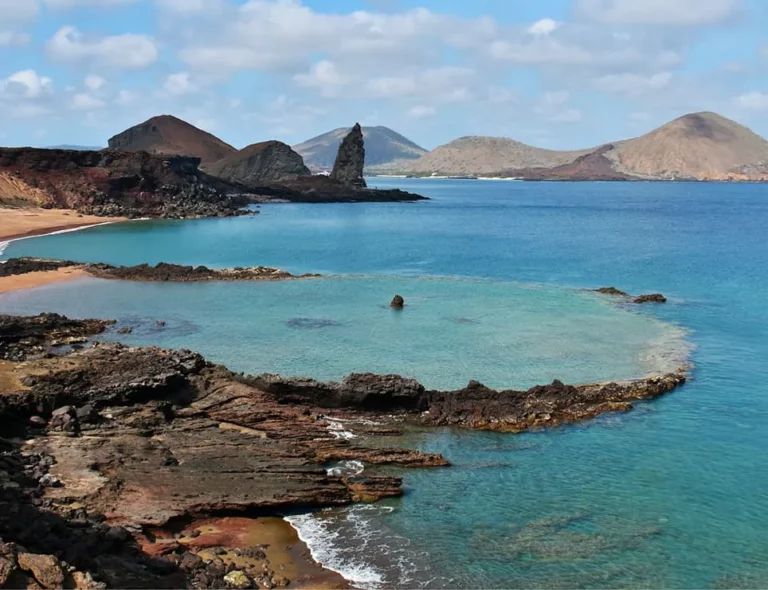
The dramatic landscape can be appreciated year round.
9. Long live the Galapagos giant tortoise
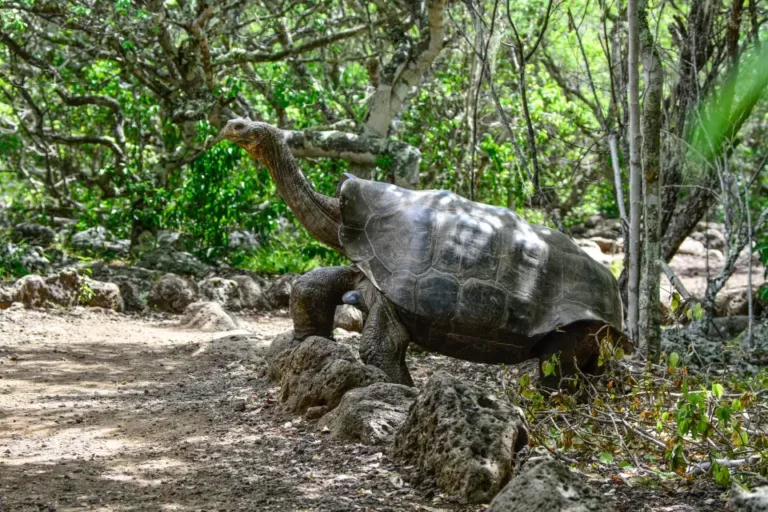
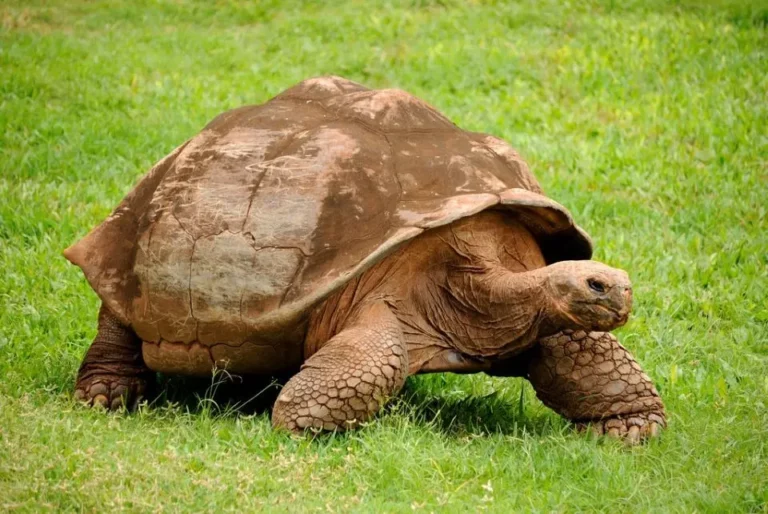
The average Galapagos giant tortoise can live for well over a century. Their longevity is the highest of any vertebrate on land. Seeing them in the wild is truly something unique.
The islands are formed by the juncture of three tectonic plates: the Pacific, Cocos, and Nazca. The result is infrequent volcanic activity and incredibly diverse landscapes—a spectacular visual feast!
A dramatic Volcanic Eruption near Isabel Island
12. The arrival of Charles Darwin to the Galapagos
Follow Charles Darwin’s footsteps by exploring the same islands and sites he visited in 1835. Galapagos National Park-certified naturalist guides teach visitors how the theory of natural selection was first conceived here, and of course, they can take a selfie with Charles Darwin’s statue!
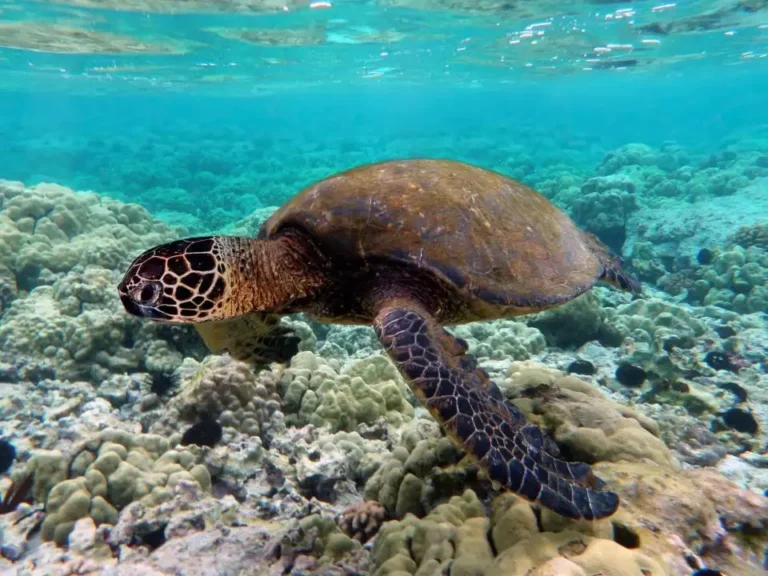
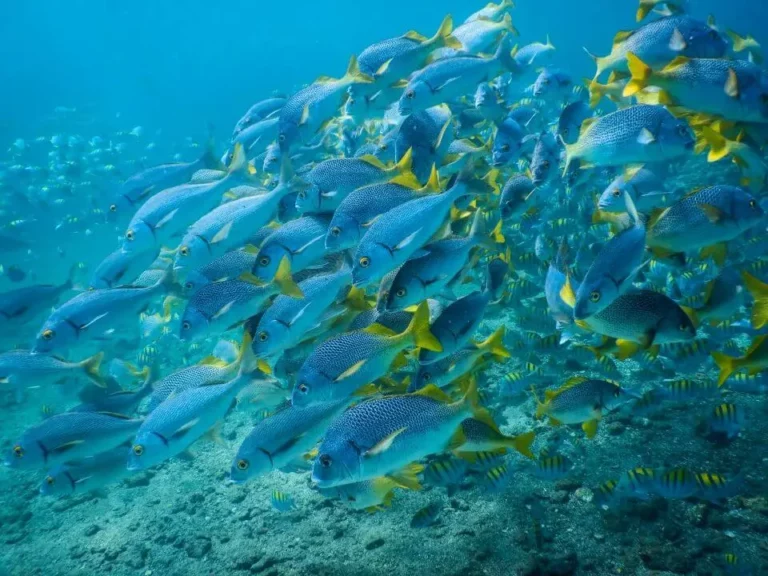
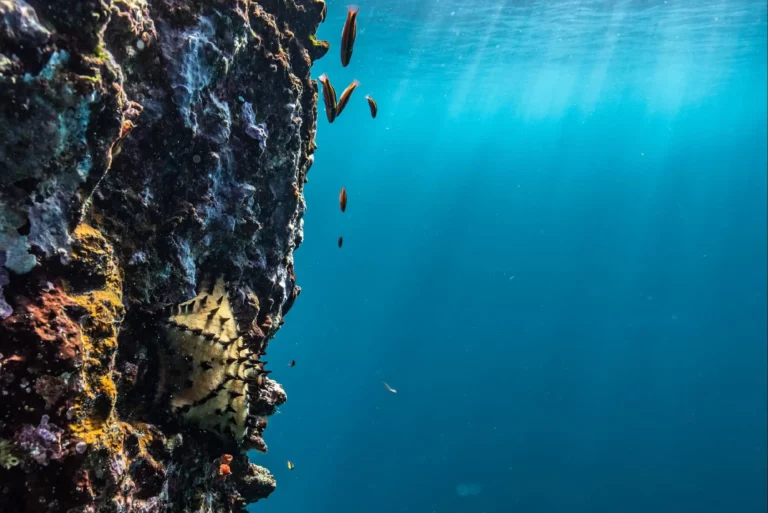
Admirers of marine life will appreciate the vast number of mollusk species, including snails, octopus, cuttlefish, oysters, squid, and a remarkable and colorful variety of fish species. You can see many of these firsthand when snorkeling in the Galapagos National Park.
Experience The Colorful Upwellings In The Archipelago.
The term “Galápago” refers to the old Castilian word meaning “riding saddle”. The shell (carapace) of this giant tortoise indeed resembles a saddle.
Iconic Tortoise In its Natural Habitat
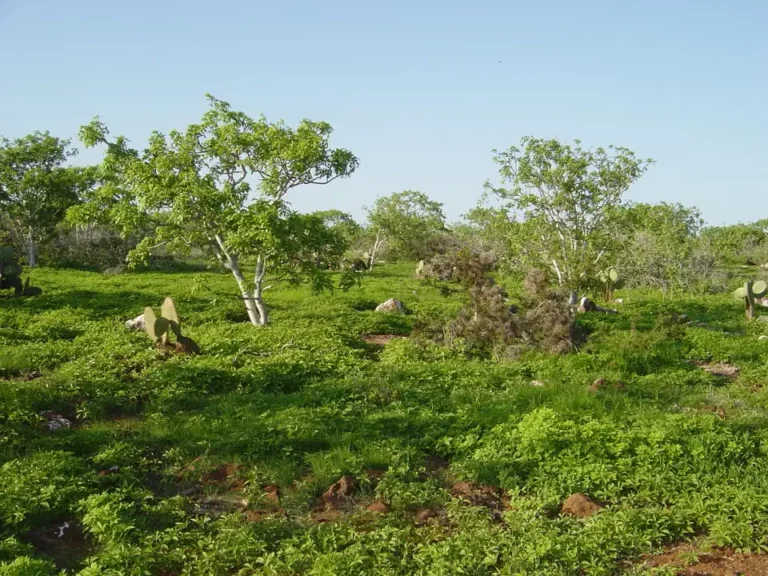
Galapagos Is A Year-Round Destination!
15. Enjoy comfortable temperatures throughout the year
While you expect the temperatures on the islands to soar, given their proximity to the equator, they remain quite comfortable. Throughout the year, average land temperatures range between79° and 86°F (26.1° to 30°C), while ocean temperatures along the island coasts hover between 71° and 78°F (21.7° to 25.6°C)
The Galapagos see about 79,000 visitors annually who travel on various liveaboard cruises and from Galapagos tours. This number of people is fewer than the number of folks in attendance at any given sold-out event at a typical professional football stadium in the US So, you can expect to see other people during your visit, but you won’t have to worry about any vast crowds within the Galapagos National Park, as site visits are scheduled and approved by the park, and registered with the appropriate permissions. This limits the number of site visitors in any set window of time. Peak season in the archipelago is from June through August and mid-December to mid-January.
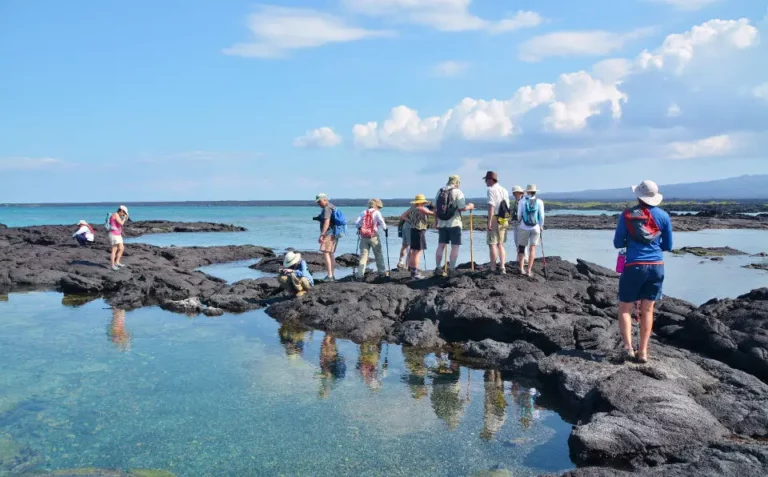
Also, when visiting the park, a Galapagos National Park-certified naturalist guide must accompany explorers, and the ratio established by park rules is a maximum of 16 visitors per guide. Some Galapagos cruises offer even better ratios, averaging 8 to 12 guests per guide. Chatting with a destination expert can give you an even better picture of what to expect on your trip to the Enchanted Isles.
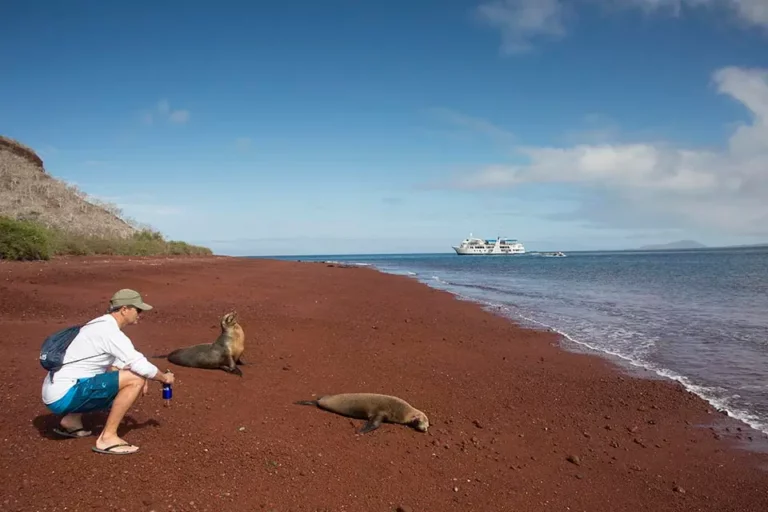
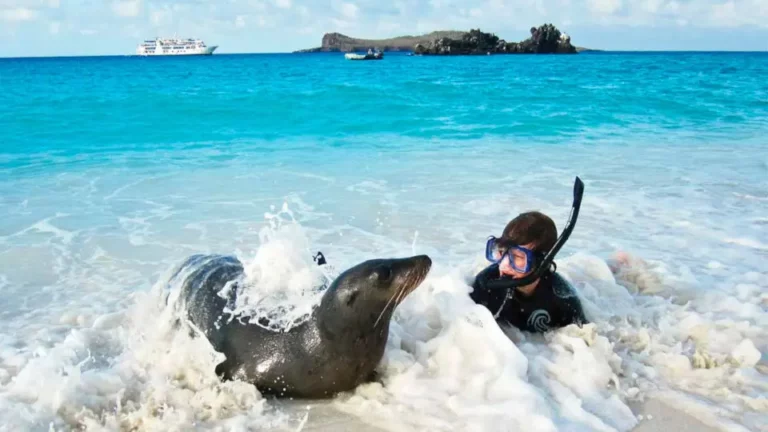
Have A Close Encounter With Wildlife!
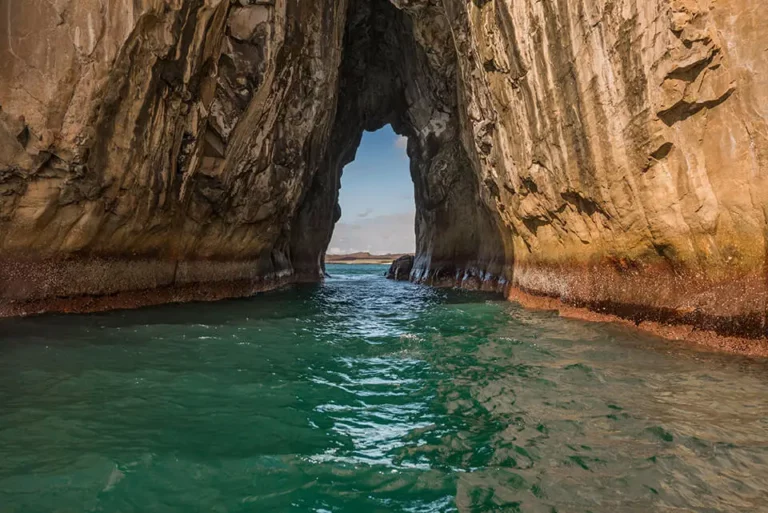
Clear Blue waters under a stone cathedral
17. Geology is constantly in flux
The oldest islands are gradually sinking back into the ocean, but the youngest ones are rising.
The islands are home to a convergence of currents. The Equatorial, Humboldt, Cromwell, and Panama currents converge in this region. For this reason, wave action here is unpredictable, and there can be some variance in water temperatures, visibility, and marine species due to upwellings. The weather in Galapagos is almost entirely dependent on ocean currents. El Niño originates off the coast of the Galapagos and can alter other ocean currents, weather patterns, and food availability in marine and terrestrial environments.
Galapagos is one of the best places for snorkeling!
Enjoy The Friendly Company Of Wildlife (While Always Keeping a healthy distance)
In the Galapagos, there needs to be more natural predators. Thus, the creatures on the islands have very little natural fear of people. The Galapagos National Park has established key rules to help protect the animals and their habitats. Visitors must always remain at a minimum safe distance of 6.5 ft (2m) from wildlife.
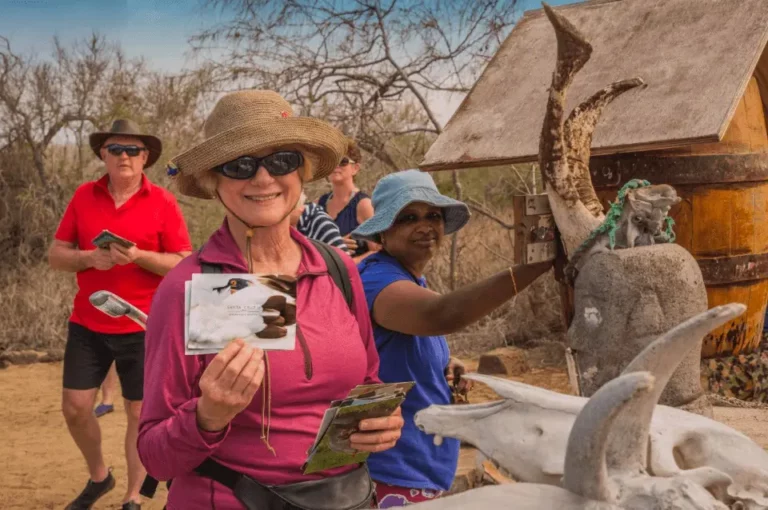
20. Leave your message in a barrel
During the 18th Century, on the Floreana island, crew members traveling aboard various whaling ships in the region used a barrel as a postal box. This site became known as Post Office Bay, and to this day, it remains a popular attraction for many visitors who wish to leave a letter or postcard or pick one up if they believe they can deliver it to the addressee.
This is the perfect place if you’re looking for an exciting and educational vacation opportunity to delight the entire family. Home to many unique species and landscapes, visitors touring the islands on a live-aboard cruise can see tremendous wildlife and truly explore the Enchanted Isles. You can enjoy most of these highlights on our Galapagos tours.
Talk to an expert who has experienced Machu Picchu
Questions? Need help deciding?
Have a chat with our Destination Experts that have enjoyed our Machu Picchu itineraries!
Eduardo Silva
“Eduardo is the best. He saved our honeymoon after other touring companies crushed it against the pandemic rocks. He was helpful and patient with me and had excellent suggestions.” – Traveler review