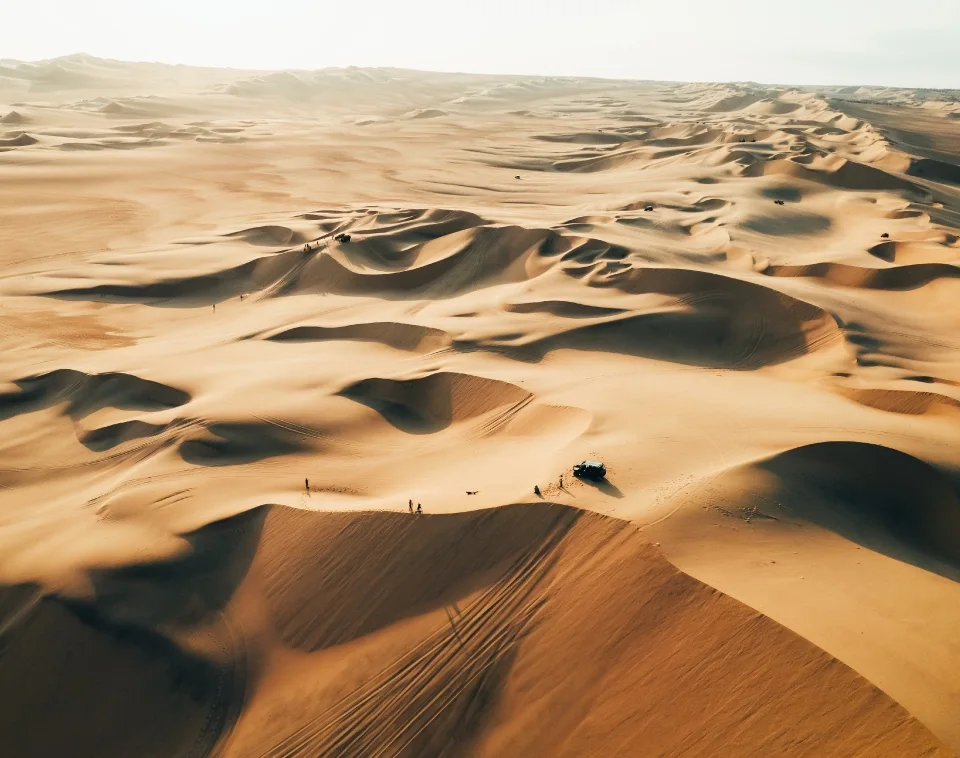
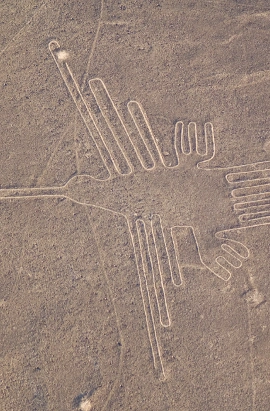
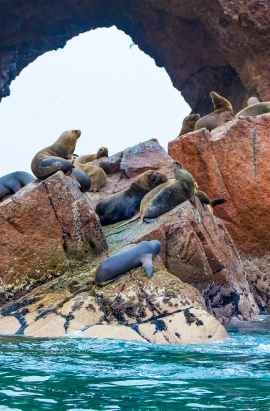
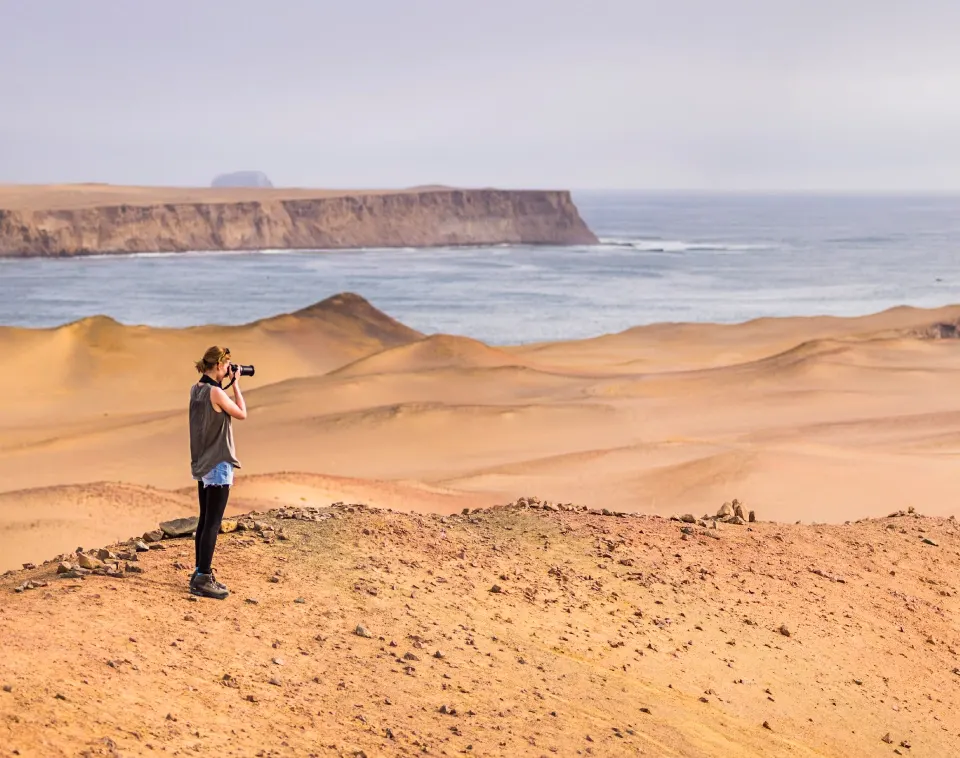
Ica is a unique clash between the jagged canyons and sand of a desert, the mysterious geoglyphs of the Nazca Lines, and the thundering waves of the Pacific coast. It offers adventure, mysticism, and nature all rolled into a culturally and agriculturally rich town that is surprisingly productive in asparagus, cotton, fruits and wine.
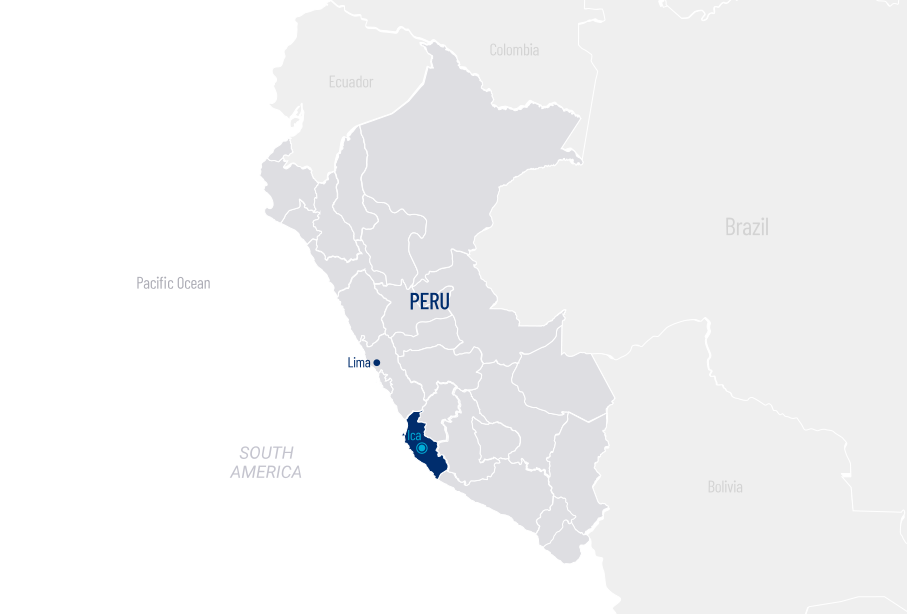
Ica lies on the south-central Peruvian coastline about 267 kilometers (166 mi) from Lima and 48 kilometers (30 mi) from the coast, right next to the Pan-American highway. It is located on the Ica River, which provides nutrients for the flourishing agriculture industry, but is also surrounded by the dry Atacama Desert. Although it lies flat on an expansive plain, the Andean foothills lie a short distance to the east.
Visitors can travel to Ica by car or bus. The bus from Lima takes between 4.5 and 6 hours, and costs around US$11. Alternatively, in a car the trip takes just under 4 hours. As there is no airport in Ica itself, and visitors would still have to take a 5-and-a-half-hour bus ride from the nearest airport, arriving by plane isn’t a great option.
Due to its location next to the Atacama Desert and low elevation of 406 meters (1,332 ft), it’s understandable that Ica has one of the driest climates in the world, receiving just 1 centimeter (0.39 in) of rainfall for the entire year. In fact, the climate of the city offers a lot of asthma sufferers relief as the lack of humidity means there are very few allergens in the air.
Temperatures never really get below 10°C (50°F) with the average low and high during the summer months (December to March) being 17.5°C (63.41°F) and 31.9°C (89.42°F), respectively. In the winter months, it´s reasonably warm, with temperatures ranging from 12°C (53.6°F) to 27.8°C (82.04°F).
The most important things to take to Ica are a sunhat, sunscreen, sunglasses, and a full bottle of water!
Huacachina Oasis
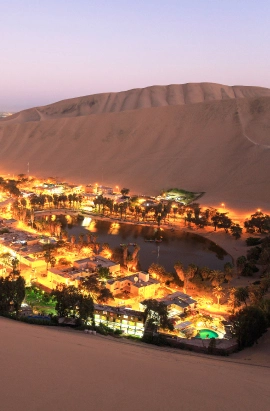
The Huacachina Oasis, located in the Ica Desert, is a natural wonder surrounded by legends. It is said that a crying woman created the oasis with her tears. With lush vegetation, palm trees, and carob trees, it attracts desert wildlife, earning regional conservation status. Visitors can enjoy pisco sours and dine by the lake at the Lakeside Hotel, explore the oasis by boat, and venture into the dunes on buggies and sandboard while capturing stunning sunset photos.
Nazca Lines
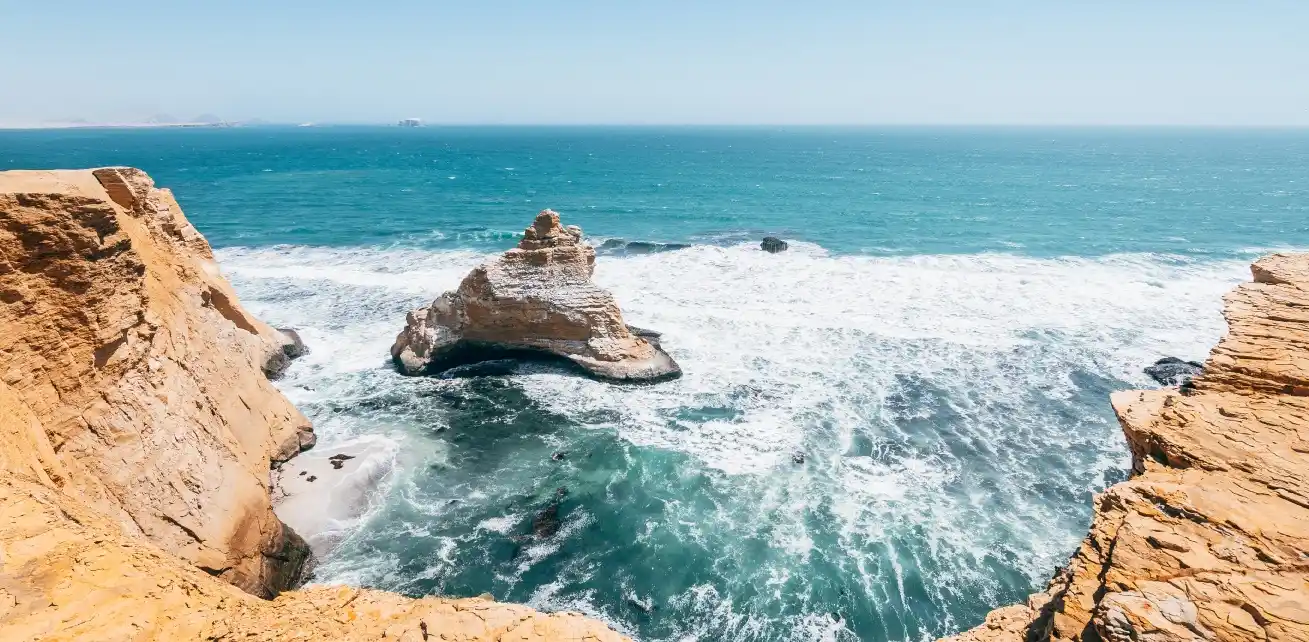
Ballestas Islands
Pisco Route
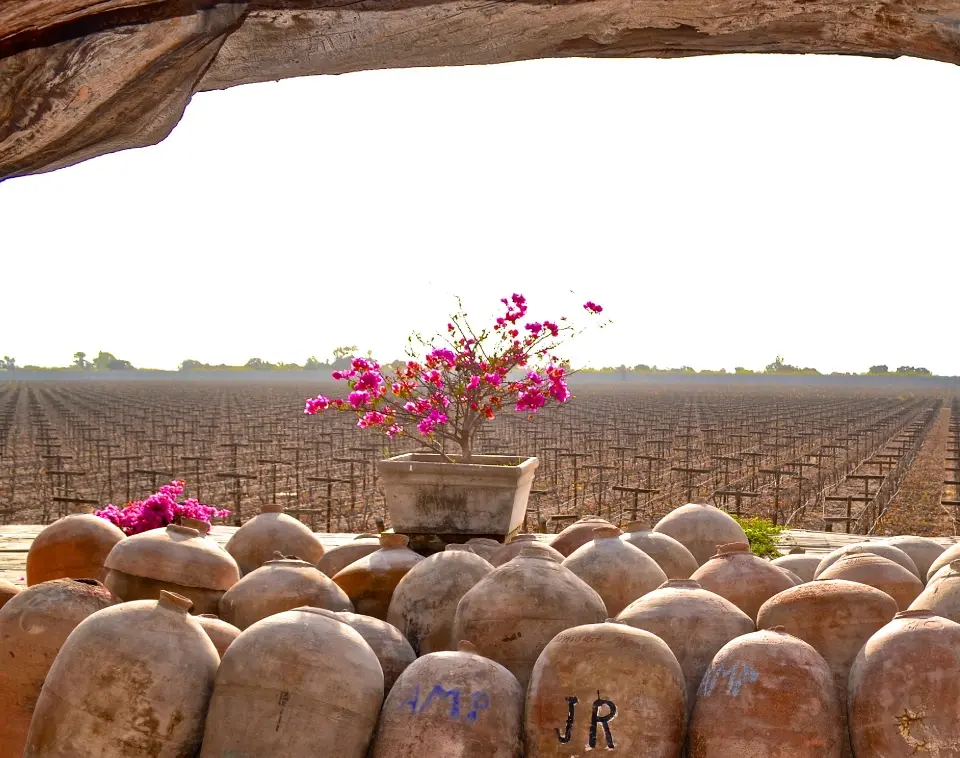
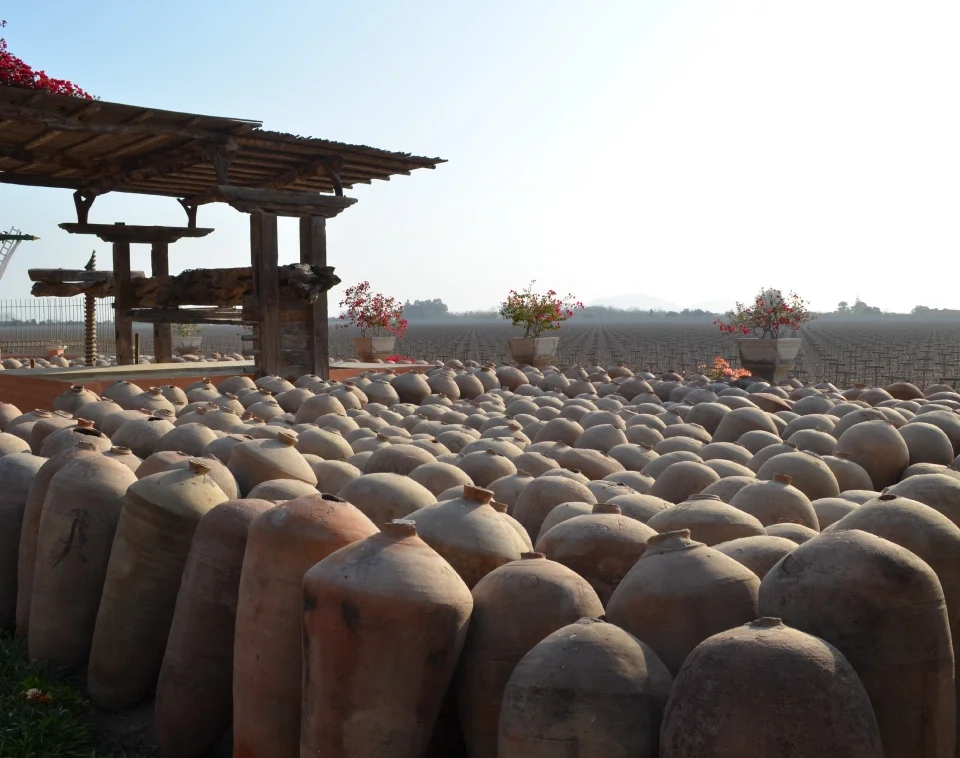
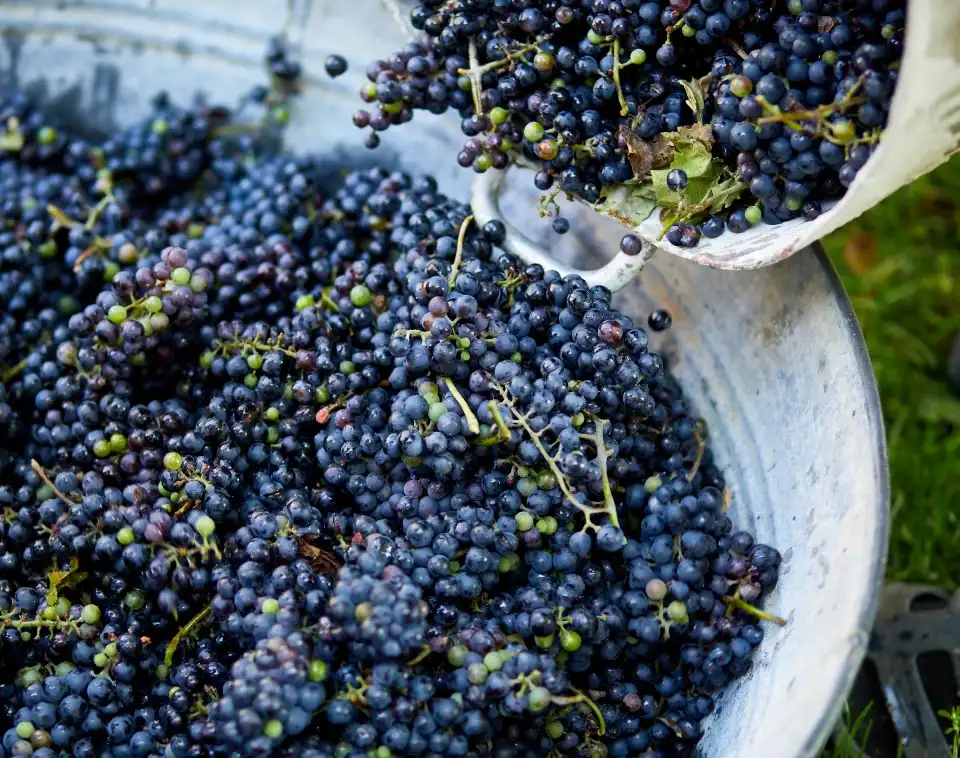
Pisco, known for the Pisco Sour cocktail, originated in Pisco town. The Pisco Route, a 4-hour tour from Ica, visits wineries and distilleries in Ica and Chincha, offering Pisco and wine tastings.
Highlights:
Like most Peruvian cities, the Plaza de Armas, or Main Square, sits in the city center. Ica’s Main Square is surrounded by towering old trees with the Ica Cathedral flanking one of its sides.
The Ica Cathedral was damaged by the 2007 earthquake, but it still survives as a prominent building. It was originally built in 1759 and was the last building that the Jesuits built in the city. The huge cross-shaped building was framed using sugar cane and then made from mud and thatch.
For something a little more upmarket, the Queirolo Vineyard offers gourmet Peruvian lunches with wine pairings. After lunch, the expert sommelier tour guide shows guests around their vineyards, explaining the ins and outs of wine and pisco branding.
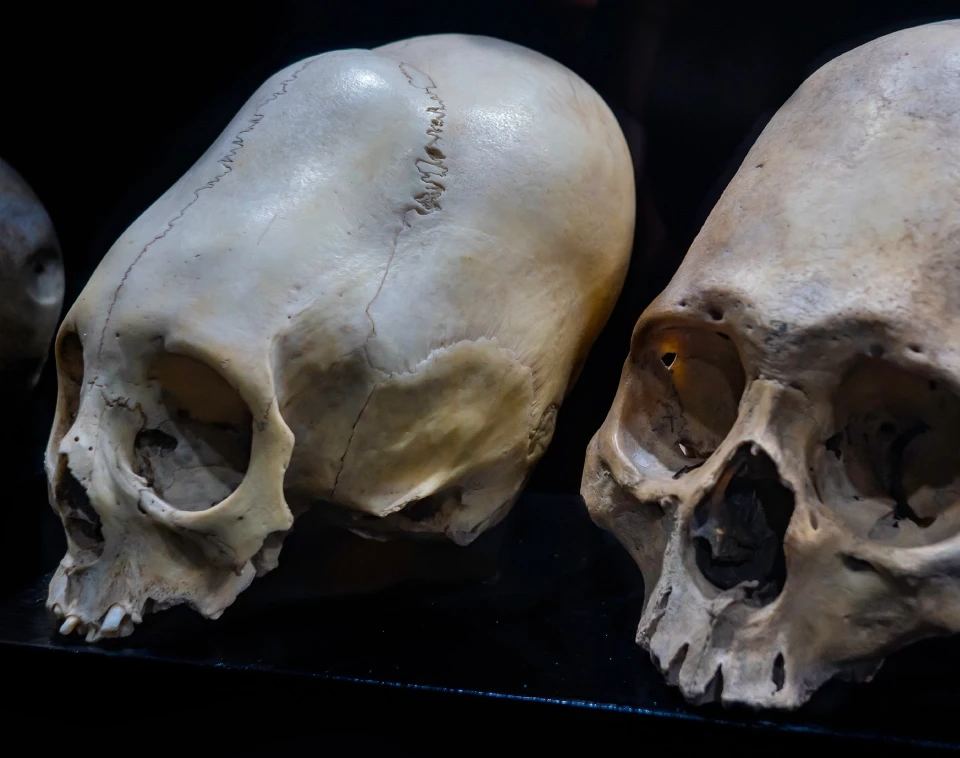
Museo Regional de Ica “Adolfo Bermúdez Jenkins”: The Regional Museum displays pre-Columbian archeological artifacts that attempt to explain the main mysteries of Peru’s past cultures and communities. Some of the exhibits include mummies, elongated skulls from the Paracas area, and a collection of furniture, paintings and other artifacts from the Spanish colonial era.
There is clear evidence that Ica has always been a thriving hub for different indigenous peoples, including the Paracas and Incas. However, Ica as a city was officially founded in 1563 by the Spanish conquistador, Jerónimo Luis de Cabrera. Today, Ica has a population of over 280,000 and has a flourishing tourism industry, and its sheer number of sunshine hours per year means that it’s become an important agricultural region. Some crops that are grown near Ica include cotton, grapes, asparagus, avocado, mango, and olives, which is why it has earned its name as the “Land of the Eternal Sun.”
In recent history, the city was devasted by an earthquake in 2007. Perhaps due to the earthquake, several fossil remains of a prehistoric penguin, Icadyptes salasi, were found in the same year. It’s said that this 150 cm (5 ft) tall penguin inhabited the same area 30 million years ago. There has also been a lot of evidence of indigenous communities, such as Paracas, Chincha, and Incas, found in the surrounding deserts. Many of these artifacts are found in the Museo Regional de Ica (Regional Museum of Ica).
For wine enthusiasts, there are still more vineyards that can be visited outside of the Pisco Tour. Bodega Lazo is also a museum that explains the history of wine, and Bodega Ocucaje is located inside the city. Most tours of these bodegas are free, and visitors only need to pay for the cost of the taxi to get there.
For those who truly want to get involved, from the 6th to the 15th of March there is the annual Grape Harvest Festival which includes grape stomping, competitions, music, and Pisco and wine tasting.
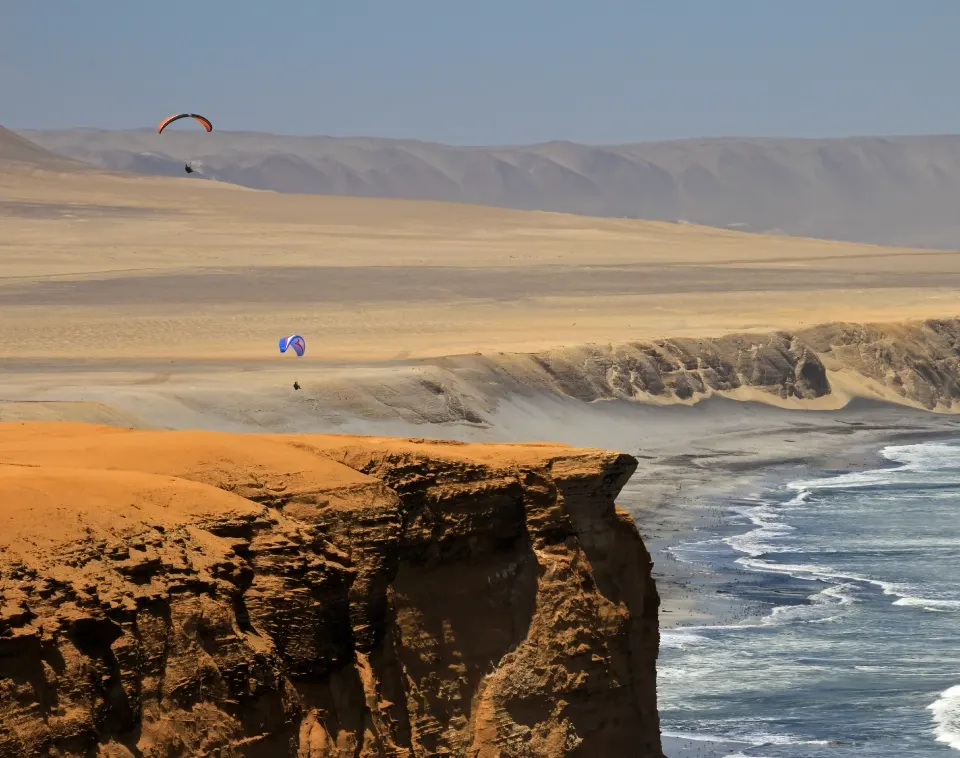
Paragliding from the top of El Mirador, a mountain located in the Paracas National Reserve, is available when the weather permits. Participants can enjoy the incredible views over the coastline and out to the Ballestas Islands. The descent takes anywhere from 3 to 10 minutes.


Questions? Need help deciding? Have a chat with our Destination Experts that have enjoyed Peru’s itineraries!
“Metropolitan was an extremely professional, pleasant, reliable tour company that was easy and wonderful to work with. Metropolitan go above and beyond to make sure their guests have what they need to have a great time, feel safe, and make incredible memories.”
— Ryan Mitchell
“You have made the planning of our visit easy and wonderful…Thank you for all your attention to detail…”
— Dennis Arrouet
We'll call you back within 5 minutes.