The Galapagos National Park is a place to go like no other and should be part of your travel ideas. Its awe-inspiring landscapes, unique biodiversity, and enduring conservation legacy have made it a global icon. Last year, it earned a coveted spot on The New York Times’ prestigious “52 Places to Go in 2025”, making it the premier Destination in the Americas to visit.
This recognition isn’t just about its stunning beauty—it also highlights the park’s ongoing commitment to sustainability and preserving its fragile ecosystems. Recent developments, such as increased entry fees to fund conservation efforts, have further cemented its status as a leader in responsible tourism and why it is one of the best places to travel.
Here’s a closer look at what makes the Galapagos National Park extraordinary.
Galapagos National Park’s Unmatched Appeal
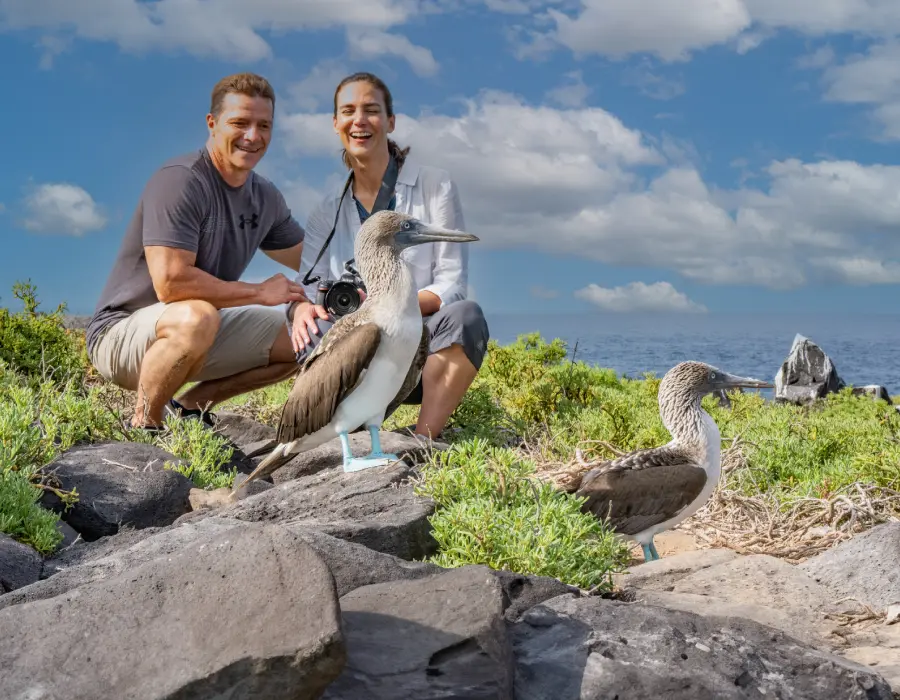
The Galapagos Islands are a living evolutionary laboratory, teeming with wildlife and ecosystems found nowhere else on Earth. These islands have captivated explorers, scientists, and travelers for centuries. Giant tortoises, marine iguanas, flightless cormorants, and the iconic blue-footed boobies are just some of the many species that call this archipelago home. At every turn, the Galapagos displays the power of adaptation and the wonders of nature, making it one of the best places to travel.
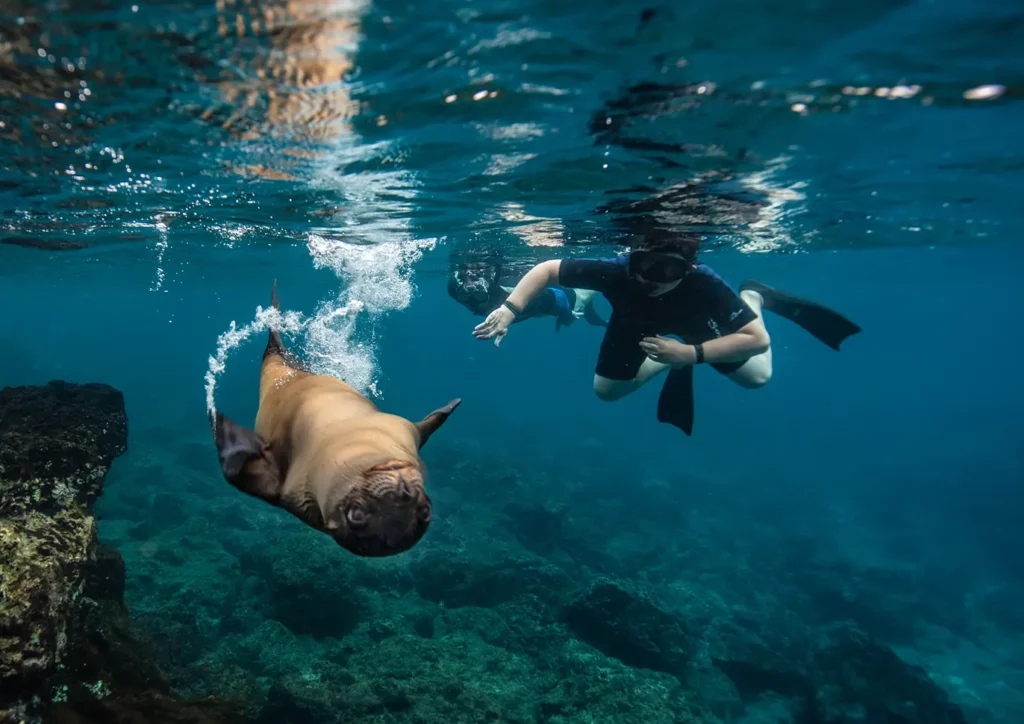
But it’s not just the animals that take your breath away. The landscapes are equally mesmerizing. Picture volcanic formations rising dramatically from shimmering turquoise waters, pristine beaches dotted with sunbathing sea lions, and coral-filled reefs alive with colorful fish. Whether exploring lava tubes, snorkeling with playful penguins, or hiking dormant volcanoes, the Galapagos connects you to something timeless.
The park’s unique mix of biodiversity and scenery makes every visit feel magical and unforgettable. Adventure seekers, nature enthusiasts, and anyone curious about the world will find the Galapagos a dream travel destination.
Conservation at the Forefront of Tourism
Its unyielding commitment to conservation sets the Galapagos National Park apart from other travel destinations. Although tourism has grown, the park has continually found innovative ways to protect its delicate ecosystem. From limiting visitor numbers to requiring all travelers to be accompanied by licensed guides, the park has prioritized ecological health over mass tourism.
A significant step toward this goal occurred recently when the park announced a long-overdue increase in entry fees for foreign visitors. The fee doubled for the first time in 26 years, rising from $100 to $200. This change wasn’t merely about generating more revenue—it was about reinvesting in the park itself. The increase helps fund critical conservation programs, improve local infrastructure, and support efforts to protect the habitats that make the Galapagos so unique. Community initiatives and education programs also benefit from this funding, ensuring that residents play an integral part in protecting their homes.
These thoughtful measures prove that the Galapagos understand the value of balancing tourism with preservation. By asking visitors to contribute more, they ensure that the islands remain a sanctuary for future generations.

The Park’s Legacy as a Global Icon for Sustainability
The world has much to learn from the Galapagos National Park. It stands as a shining example of how to manage natural treasures responsibly. Long before “sustainability” became a buzzword, the Galapagos put principles into practice. From restricting cruise ship sizes to maintaining strict visitor itineraries, every decision here focuses on minimizing human impact.
By balancing accessibility with stewardship, the Galapagos has become a model for sustainable tourism for other travel destinations. Controlled visitation ensures that fragile habitats—land and sea—are protected from harm. Park staff work tirelessly to monitor ecosystems, enforce regulations, and educate visitors about their crucial role in preserving the islands.
This thoughtful combination of tourism and preservation has earned the Galapagos international respect as one of the best places to travel. It provides hope when many natural destinations face threats from over-tourism, climate change, and habitat destruction. The Galapagos reminds us that sustainability isn’t just possible—it’s necessary.
What Makes it a Must-Visit Travel Destination in 2025
With so much wonder packed into this corner of the planet, it’s easy to see why 2025 is the year to visit. Recent investments are improving the experience for travelers while ensuring the park’s longevity. Enhanced visitor facilities and eco-friendly infrastructure mean you can explore more comfortably without sacrificing sustainability.
Certainly, the real attraction is the once-in-a-lifetime experiences Galapagos offers, making it one of the best places to travel. Imagine snorkeling alongside graceful sea turtles, sharing the waves with frolicking sea lions and schools of vibrant fish. You could paddle past penguins in a kayak, climb volcanic terrain for unbelievable views, or walk secluded beaches that feel like another world. Birdwatchers will marvel at the courtship rituals of the blue-footed boobies.
But the magic of the Galapagos goes beyond its natural wonders. Thanks to the initiatives funded by the entry fee, you’ll also see how conservation and tourism can coexist harmoniously. These measures promise to make this place to visit not only extraordinary but also impactful.

Looking Toward the Future
This year’s inclusion in The New York Times’ “52 Places to Go in 2025” is a testament to what the Galapagos National Park represents. It’s more than a travel destination; it’s a symbol of hope. The increased visibility is expected to attract more travelers, which brings its challenges. However, the park has proven capable of managing such concerns by sticking to its sustainability principles and controlled growth.
Your role as a visitor is just as important. Every decision you make—choosing eco-friendly tours, respecting wildlife, and minimizing waste—contributes to the continued success of this conservation story. Tourism here is more than just an opportunity to see the world. It’s a chance to be part of something bigger: protecting one of Earth’s most precious ecosystems.
Galapagos 2025: The Sanctuary Intact
The Galapagos National Park is on The New York Times’ coveted list of best places to travel for all the right reasons. Its unparalleled beauty, commitment to conservation, and visionary approach to sustainability make it both a traveler’s paradise and an environmentalist’s dream. It’s a destination that inspires, educates, and leaves you in awe of the natural world.
If the Galapagos are on your bucket list, 2025 is the perfect time to visit. By experiencing this extraordinary place while supporting its preservation efforts, you help ensure it remains a sanctuary for future generations.
The Galapagos isn’t just a place to visit—it’s a place to protect.