Nature lovers, buckle up for a wild adventure! The world has terrific destinations where wildlife reigns supreme, but none are as iconic as the Galapagos Islands. This archipelago, located in the Pacific Ocean about 622 miles (1000 kilometers) off the coast of Ecuador, is a paradise of unique species and unmatched natural beauty. Here’s why the Galapagos deserve a top spot on your bucket list.
For any nature enthusiast, the Galapagos Islands are a pilgrimage where you can connect with wildlife on an intimate level and experience some of the planet’s most pristine environments. And while this destination stands proudly among the world’s best destinations for wildlife watching it also sets the bar high for Ecuador.
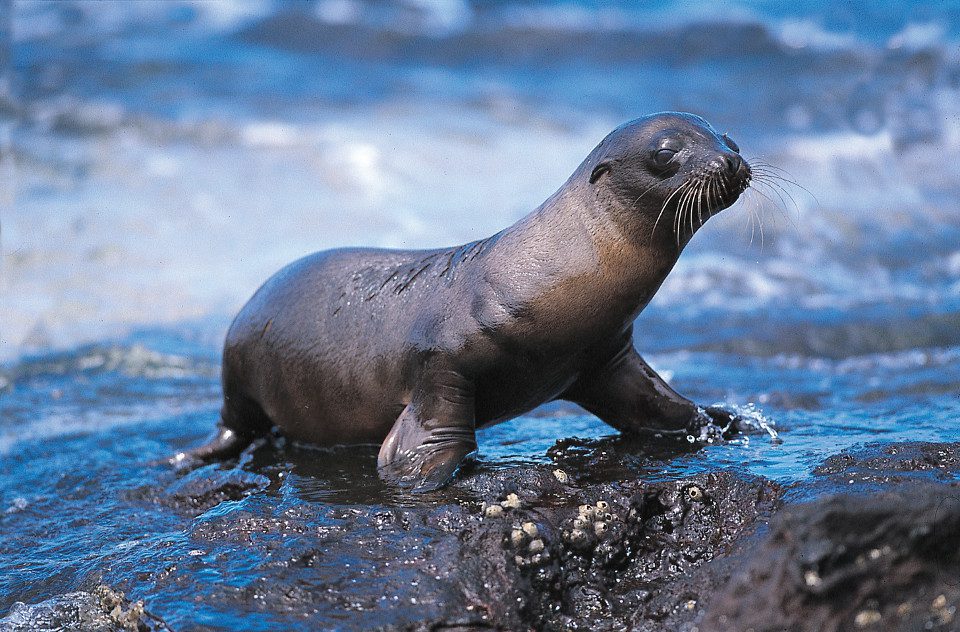
Lonely Planet has recognized the Galapagos Islands as one of the world’s best destinations for wildlife watching, emphasizing their extraordinary biodiversity. These Ecuadorian islands offer a unique opportunity to get up close like never before to iconic species such as giant tortoises, blue-footed boobies, and sea lions.
Galapagos Islands, Ecuador
The Galapagos Islands are known for being home to some of the world’s most iconic endemic species. Including fascinating Galapagos animals that can’t be found anywhere else on Earth. One of the highlights of the trip here is encountering a giant tortoise, which is one of the most iconic living symbols of these islands’ peculiarity. These ancient animals can live for more than a century!
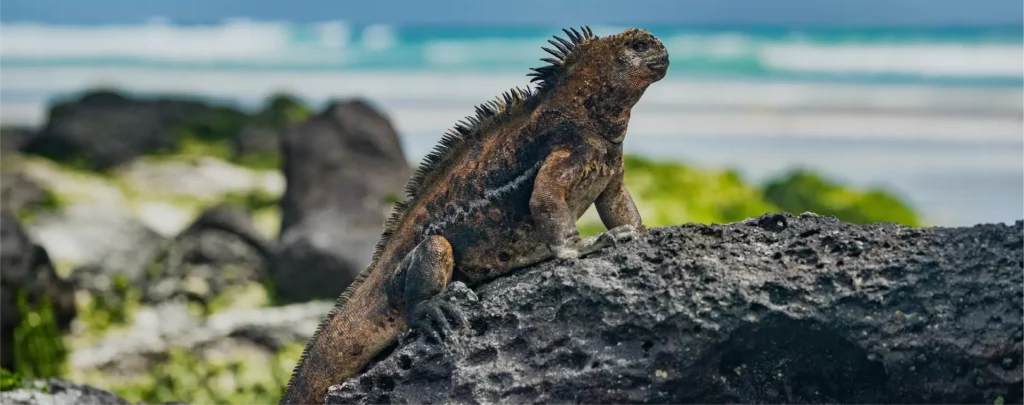
Also of interest are the land and marine iguanas of the islands. The marine iguanas are the only lizards in the world that swim and feed underwater; strange and fascinating. And we could not miss the famous blue-footed booby, with its cerulean legs and its unique mating dance, captivates anyone.
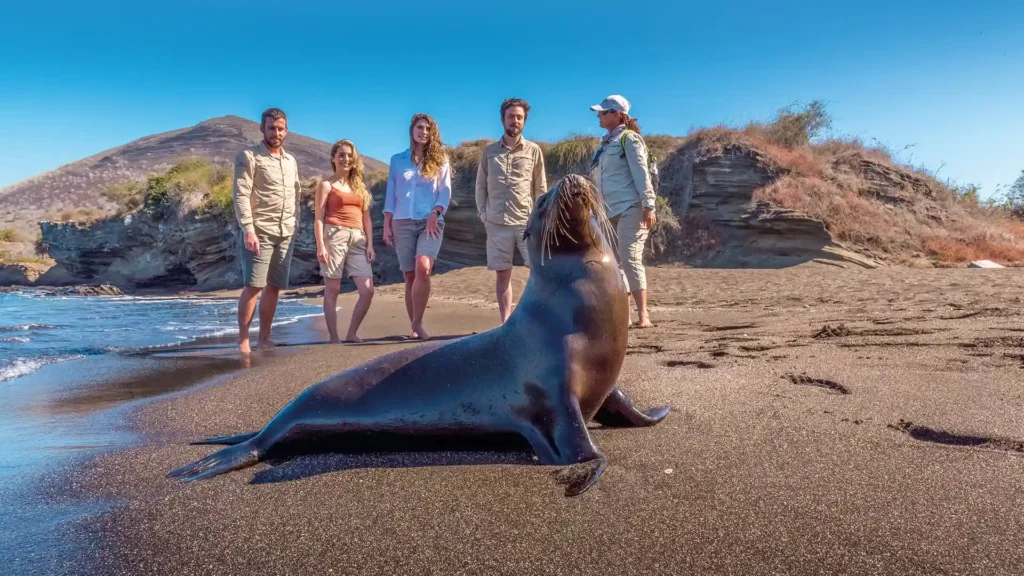
Another must-see species is the Galapagos albatross, which mainly inhabits the island of Española. Their elaborate mating rituals and enormous wingspan, up to 82.02 ft (2.5 meters) make them an avian wonder. From the playful sea lions scattered along the beaches to the flightless cormorants that have adapted to their isolated environment, the islands are a testament to nature’s creativity and resilience.
Marine Wildlife
Dive into the waters surrounding the archipelago, and you will discover a world as extraordinary as the one on land. The Galapagos Marine Reserve teems with spectacular aquatic life. Divers and snorkelers are often greeted by sea turtles sailing lazily through the underwater currents or reef sharks gliding through the coral formations. You can swim with rare species such as hammerhead sharks, whale sharks, or manta rays if you’re lucky.
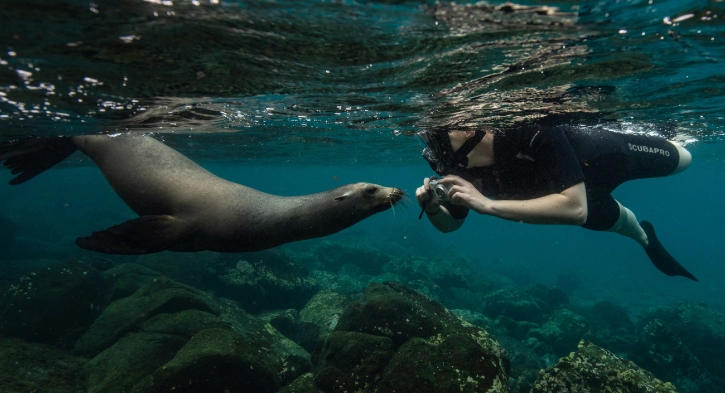
The archipelago is also a meeting point for majestic whales, and these marine mammals offer fascinating shows. Schools of colorful fish and corals complete the underwater spectacle. The Galapagos offers an aquatic wonderland for those passionate about marine biology or fascinated by ocean life.
Unique Ecosystems
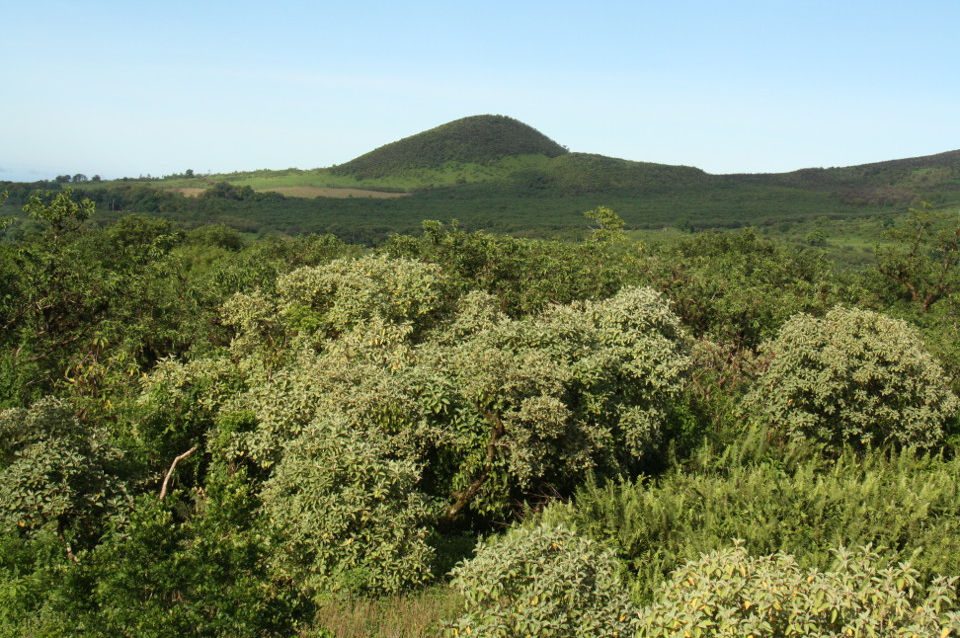
The surreal landscapes of the Galapagos Islands deserve as much appreciation as their wildlife. Born of volcanic activity millions of years ago, the islands’ rugged terrain features lava fields, hidden caves, and spectacular cliffs. Each island has its own distinct ecosystem, which is determined by geography, climate, and isolation.
Santa Cruz Island, for example, has a lush and extensive high altitude forest, while Bartolome Island is famous for its arid volcanic cones and the emblematic Pinnacle Rock, one of the most photographed places in the Galapagos. Fernandina Island, meanwhile, has pristine coastlines and active volcanoes, making it one of the wildest and least inhabited places on Earth. Each island is unique and has something that is sure to spark the interest of every person who has set foot on this enchanted place.
Once-in-a-Lifetime Activities
The Galapagos are a hub for adventurous and ecological activities in the wild. You can kayak along the serene shores where sea lions play, test your balance in the ocean by paddleboarding, or hike trails that lead to spectacular views of the ocean and islands.
For avid divers, few experiences compare to exploring the waters of Kicker Rock or Devil’s Crown on Floreana Island, where the abundant marine life and spectacular underwater scenery will leave you in awe.
Conservation and Protection
Conservation is at the heart of what makes the Galapagos Islands so unique. First declared a UNESCO World Heritage Site in 1978, the Galapagos National Park is wholly committed to preserving its vibrant biodiversity. Such strict regulations ensure that the islands and their waters remain a haven for wildlife. Fishing and hunting are prohibited, and visitor activities are carefully regulated to ensure minimal impact within the archipelago
The Park’s own conservation programs have been nothing short of astounding, with breeding programs for endangered species, especially the giant tortoise. Efforts like this one example (among countless more) are vital to helping ensure the longevity of these rare creatures and their fragile habitats.

Certified Guides
Visitors must explore the National Park in the company of a certified naturalist guide. These guides are trained to offer an in-depth view of the area’s ecosystems and species. Their knowledge enhances the experience as they help spot wildlife, explain their behavior, and help visitors understand the environment’s delicate balance. Guides also share sustainable tourism practices and information so that future generations can continue to enjoy all the charm and wonder of the Galapagos.
Best Time to Visit Galapagos
The Galapagos Islands offer something extraordinary all year round. but However, knowing the high and low seasons can help you tailor your trip to your preferences.
High Season (June to September): This tourist season coincides with one of the driest and most incredible seasons, with temperatures ranging from 68°F to 81°F (20°C to 27°C). It is the best time to dive and spot migratory species like whales. Be prepared for slightly stronger winds and waves.
Low Season (December to May): During these months, the weather is warmer, with temperatures rising to 86°F (30°C). The sea is calm, and visibility is excellent for underwater activities. It is also the breeding season for several species, meaning you will get to witness extraordinary natural behaviors, from sea turtle hatchings to courtship rituals.
Whatever time of year you visit, be sure to bring sturdy shoes, light clothing, sun protection, and an underwater camera to capture the magic of the islands you choose to visit.
Why It’s a Top Wildlife Destination
The Galapagos Islands stand out as a natural destination for reasons that go beyond their impressive biodiversity. This archipelago offers an intimate view of nature in its purest, most untouched, and flourishing state. From encounters with sea lions while you are snorkeling to seeing giant tortoises in the wild, every experience here is like stepping into a nature documentary.
Beyond the spectacle, the islands embody hope for conservation. They remind us of what is possible when humanity works to preserve and protect natural habitats. It’s not often you visit a place where global efforts have kept ecosystems intact for centuries.
For nature lovers, marine explorers, and anyone who appreciates the splendor of the natural world, the Galapagos are not just a destination, they are an inspiration. Whether you’re lounging next to sunbathing iguanas or marveling at the vibrant marine life, you’ll leave with a deep appreciation for the planet we all share.