The Galapagos Islands, renowned for their unparalleled biodiversity and as the inspiration for Charles Darwin’s Theory of Evolution, are pioneering significant strides in renewable energy. This transformative journey is crucial not only for reducing carbon emissions but also for preserving its delicate ecosystem from environmental threats.


Evolution of Renewables: A Necessary Transition
Historically, the Galapagos Islands relied heavily on fuel generators. This dependency not only contributed to over 20,000 tonnes of carbon dioxide emissions each year but also posed significant environmental risks. The 2001 Jessica Oil Spill served as a stark reminder of these dangers. This catastrophic event saw approximately three million litres of oil spill into the ocean, devastating local marine life and highlighting the urgent need for cleaner energy solutions.
The Drive Towards Renewable Energy: Harnessing the Wind
In response to these challenges, the Galapagos initiated the “Zero Fossil Fuel Initiative.” This ambitious plan aims to replace conventional with renewable energy sources such as solar, wind, and biofuels, establishing the islands as a model for sustainable living.
A cornerstone of this initiative is the San Cristobal Wind Project, which began operations in 2007. As Ecuador’s first wind farm, it features three 80-meter-high turbines that collectively generate around 800 kilowatts per hour. This wind farm supplies approximately 30% of San Cristobal Island’s electricity demand, saving 1.6 million gallons of fuel and preventing about 15,000 tons of CO2 emissions. Despite the challenges in choosing a suitable site due to environmental considerations, the project successfully minimized its impact on local wildlife while maximizing energy production.

Here comes the sun!
In recent years, the Galapagos Islands have embarked on an ambitious journey to integrate solar energy into their energy matrix, marking significant progress in reducing reliance on fossil fuels and promoting environmental sustainability.
1. The Hybrid Power Plant: A Dual Approach
The hybrid power plant on the Galapagos Islands represents a pioneering effort in blending traditional and renewable energy sources. This facility incorporates both thermal power and photovoltaic systems, effectively balancing conventional energy with solar-generated power. The plant serves approximately 3,000 residents, along with an influx of 3,000 to 4,000 tourists, ensuring a stable and reliable energy supply. By leveraging solar power, the plant has significantly decreased the islands’ dependency on imported fuel, which has traditionally been a primary energy source. This hybrid approach not only cuts down on fuel costs but also minimizes the environmental footprint associated with fuel combustion, thereby supporting the Galapagos’ commitment to sustainability.
2. The E-Quator Micro-grid: Innovating Energy Storage
The E-Quator micro-grid project is another groundbreaking initiative aimed at enhancing energy resilience and sustainability in the Galapagos. This project integrates solar power with advanced energy storage solutions, creating a robust micro-grid system. One of its primary objectives is to reduce consumption by around 1.6 million liters annually, a significant stride towards energy independence. By storing solar energy during peak production periods and distributing it during low sunlight hours, the micro-grid ensures a continuous and efficient energy supply. This project not only supports the reduction of carbon emissions but also contributes to the islands’ long-term energy security and environmental preservation.
3. Santa Cruz and Baltra Solar-Storage Microgrid
The development of a solar and storage microgrid on Santa Cruz and Baltra islands showcases the Galapagos’ ongoing efforts to expand renewable energy infrastructure. This microgrid is designed to harness solar power and store it for use during non-peak times, optimizing energy efficiency and reliability. The expected outcomes include a substantial decrease in fossil fuel imports, enhanced energy stability, and increased resilience against power disruptions. By focusing on these islands, the project plays a crucial role in the broader strategy of transforming the Galapagos into a model of sustainable living, where renewable energy meets a significant portion of the electricity demands.
Solar Power Initiative at Finch Bay Hotel: Leading the Way in Sustainable Lodging
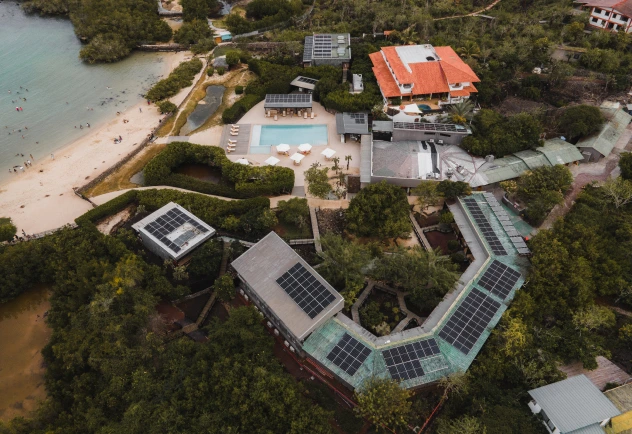
The Finch Bay Hotel in the Galapagos Islands has emerged as a beacon of sustainability with a remarkable solar power initiative. The hotel has installed an impressive array of over 350 solar panels, marking it as the largest solar installation for any lodging facility in the Galapagos. This ambitious project is not just about harnessing solar energy but also about setting a new standard for eco-friendly tourism in one of the world’s most cherished natural reserves.
Harnessing Solar Power for Sustainable Hospitality
The extensive solar panel system at Finch Bay is designed to generate more than 50% of the hotel’s electricity needs. This significant reduction in dependency on traditional energy sources underscores the potential of renewable energy to transform operational sustainability. By utilizing solar power, Finch Bay is able to cut down on its carbon footprint and reduce reliance on the fossil-fueled energy grid of Puerto Ayora, the main port town in the Galapagos.
Impact on the Galapagos’ Sustainability Goals
This solar power project aligns perfectly with the broader sustainability goals of the Galapagos Islands. The Galapagos are globally recognized for their unique biodiversity and are under constant threat from environmental changes. By investing in renewable energy, Finch Bay contributes to the islands’ efforts to decrease carbon emissions and protect their delicate ecosystem. This initiative not only supports local environmental goals but also enhances the overall tourist experience by offering eco-conscious travelers an opportunity to stay at a facility that prioritizes environmental stewardship.

A Model for Eco-friendly Tourism
Finch Bay Hotel’s commitment to renewable energy sets an inspiring example for other lodgings and businesses in the Galapagos and beyond. As the largest solar-powered lodging in the archipelago, it demonstrates the viability and benefits of sustainable practices in the hospitality industry. The hotel’s success in integrating solar energy serves as a model for how tourist destinations can balance visitor needs with environmental preservation, ensuring that the natural beauty of the Galapagos is sustained for future generations.

A Sustainable Energy Future & Energy Autonomy
Collectively, these initiatives underscore a transformative shift in the Galapagos Islands’ energy landscape. By reducing carbon emissions and mitigating environmental impacts, these projects not only bolster the islands’ ecological integrity but also set a precedent for other regions facing similar challenges.
The integration of solar energy into the Galapagos’ power systems is a testament to the islands’ commitment to safeguarding their unique biodiversity while embracing innovative solutions for a sustainable future. As the islands continue to enhance their renewable energy capacity, they pave the way for a greener, more resilient tomorrow.
The Galapagos’ commitment to renewable energy is part of a broader strategic vision to achieve significant energy independence. The goal is to generate 85% of the islands’ energy from renewable sources, thus guaranteeing their future as a self-sustained province. The energy autonomy efforts have already reduced fuel imports considerably, aligning with global environmental goals and setting a precedent for other regions in the mainland.

Impact and Future Prospects
These renewable energy efforts are pivotal in reducing the fiscal burden of liquid fuel subsidies and enhancing energy autonomy in the Galapagos. By transforming the islands into “smart islands” through automation and digitalization, the energy transition plan not only addresses environmental concerns but also opens new economic opportunities for the local population. Moreover, the involvement of local communities and the promotion of gender equality in the energy sector underscore the inclusive nature of this transition.
By 2030, the goal is to generate 85% of the islands’ power from renewable sources, reaching 100% by 2040. These initiatives are crucial for preserving the unique biodiversity of the Galapagos, ensuring that this natural wonder remains a vibrant ecosystem for generations to come.
No Blackouts!
If power outages occur on Ecuador’s mainland, there’s no need to worry—the Galapagos Islands are unaffected. While the mainland has occasionally experienced electricity cuts, the Galapagos remains isolated from the mainland grid. This separation allows the islands to maintain a stable power supply despite the challenges faced by the broader region.