 Skip to content
Chiclayo is one of the largest and most important cities in northern Peru, serving as the commercial and cultural heart of the Lambayeque Region. With a population of over half a million people, Chiclayo is a lively urban center that maintains strong connections to its ancestral roots. Visitors to Chiclayo often remark on the city’s energy, friendly atmosphere, and deep pride in local heritage.
What sets Chiclayo apart is its unparalleled access to archaeological sites from ancient coastal civilizations. Chiclayo, Peru is closely associated with the Moche and Lambayeque cultures, whose achievements in metallurgy, architecture, and art continue to astonish researchers. The discovery of elite tombs near Chiclayo placed the region firmly on the global archaeological map.
Modern Chiclayo balances this ancient legacy with contemporary life. Shopping centers, universities, restaurants, and markets coexist with traditional neighborhoods and historical landmarks. Whether you are using it as a base for exploration or making it the centerpiece of your journey, Chiclayo, Peru offers depth, authenticity, and cultural richness.
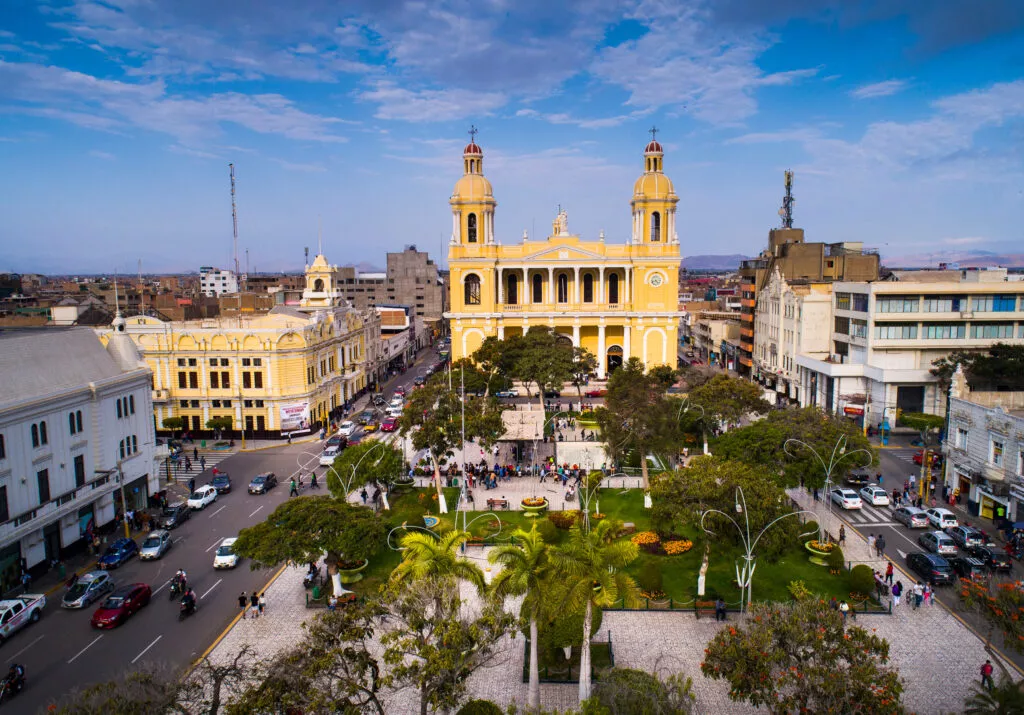
Chiclayo is located along Peru’s northern coastal plain, approximately 770 kilometers north of Lima. For travelers wondering where Chiclayo, Peru is located, the city sits just inland from the Pacific Ocean, surrounded by fertile valleys and desert landscapes. A map of Chiclayo, Peru shows its strategic position as a crossroads between the arid Pacific coast, the soaring Andes, and the lush Amazon rainforest.
The geography around Chiclayo is characterized by flat plains, river valleys, and dry desert terrain. Seasonal rivers provide water for agriculture, allowing the surrounding area to support crops such as rice, sugarcane, and corn. These fertile lands played a crucial role in the development of early civilizations long before the rise of the Inca.
Chiclayo’s location within the Lambayeque Region places it near some of Peru’s most important archaeological zones. The city is also well connected to other northern destinations, including Trujillo, making it a key stop along Peru’s coastal route. It’s geographic accessibility has contributed to Chiclayo’s growth as both a commercial hub and a center for tourism.

The history of Chiclayo stretches back thousands of years and is deeply intertwined with the rise of ancient civilizations along Peru’s northern coast. Long before the Spanish arrived, the region surrounding Chiclayo was home to sophisticated societies that developed advanced knowledge of agriculture, engineering, and art.
Among the most influential cultures were the Moche and the Lambayeque, also known as the Sicán culture. These societies built monumental pyramids, developed complex irrigation systems, and produced exquisite metalwork. The Lambayeque Region, with Chiclayo at its center, became a focal point of political and religious power.
One of the most significant archaeological discoveries in Peru occurred near Chiclayo in the late 20th century: the tomb of the Lord of Sipán. This find revealed extraordinary gold artifacts and provided unprecedented insight into elite burial practices. Today, these discoveries are displayed in world-class museums near Chiclayo, Peru, attracting scholars and travelers alike.
During the colonial period, Chiclayo grew as an agricultural and commercial settlement. In the modern era, the city expanded rapidly, becoming a major urban center in northern Peru. Despite modernization, Chiclayo has preserved strong ties to its cultural heritage, which remains visible in local traditions, cuisine, and community identity.
The daily life and cultural heritage of Chiclayo also reflect centuries of continuity. Traditional markets, lively plazas, and regional festivals all offer visitors insight into local customs. This living culture complements the historical sites, making Chiclayo, Peru a place where past and present coexist seamlessly.

There is no shortage of things to do in Chiclayo, Peru, particularly for travelers interested in culture and history. One of the highlights of any visit is exploring the region’s exceptional museums. The Royal Tombs of Sipán Museum is widely regarded as one of the finest museums in South America, offering a dramatic and educational presentation of ancient artifacts.
Another must-see attraction is the Brüning Museum, which houses an extensive collection of archaeological and ethnographic objects from across northern Peru. These museums provide essential context for understanding the civilizations that shaped Chiclayo and the surrounding areas.
Beyond museums, visitors can explore nearby archaeological sites such as Huaca Rajada, Túcume, and Batán Grande. These monumental complexes showcase massive adobe pyramids and ceremonial centers that reveal the scale and sophistication of ancient societies.
In addition to historical exploration, Chiclayo, Peru is a vibrant destination for foodies and visitors who love to try new flavors and dishes. The city’s picanterías and local markets showcase regional dishes like arroz con pato, seco de cabrito, and chinguirito. Food is central to local culture, and sampling these dishes is one of the funnest things to do in Chiclayo, Peru. Visiting traditional markets also offers insight into daily life in Chiclayo, where fresh produce, spices, and handcrafted goods reflect the richness of the Lambayeque Region.
For travelers looking to explore northern Peru more broadly, Chiclayo serves as an excellent hub for excursions. Many itineraries link Chiclayo, Peru with Trujillo, allowing visitors to experience multiple ancient civilizations and colonial heritage in a single journey. With well-maintained roads and accessible transportation, travelers can easily plan day trips or multi-day adventures connecting these cultural centers.
Day trips to nearby coastal towns offer a relaxing contrast to archaeological exploration, providing opportunities to enjoy the Pacific Ocean, observe local fishing practices, and experience traditional seaside life. Whether visitors are interested in museums, food, or beaches, Chiclayo offers a broad range of experiences for every type of traveler.
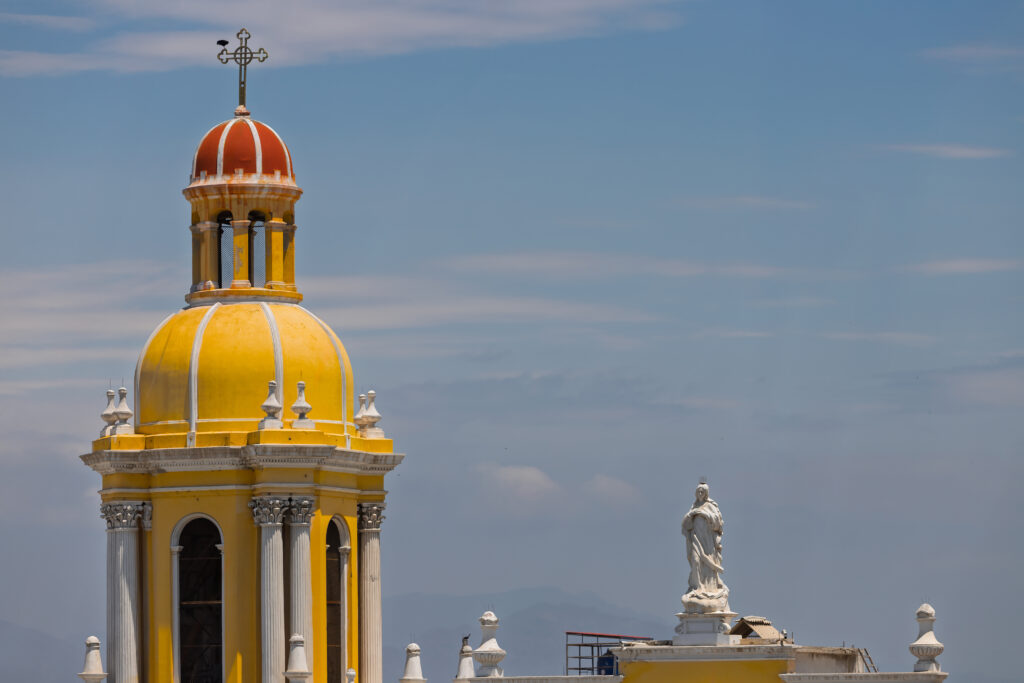
When planning a trip to Chiclayo, Peru, preparation can enhance the experience. The city is accessible by air, bus, and car, making it one of the easiest northern destinations to reach. Flights from Lima to Chiclayo take approximately 1.5 hours, while long-distance buses offer an affordable alternative.
Within Chiclayo, taxis and ride-hailing services are widely available and inexpensive. Travelers are advised to use registered taxis or reputable services, especially at night. Walking is convenient in central areas, but distances between attractions often make transportation helpful.
Light clothing, sun protection, and comfortable walking shoes are recommended due to the warm climate. Visitors should also stay hydrated and carry cash, as smaller businesses may not accept credit cards.
As with travel anywhere, basic safety precautions apply. Chiclayo is generally welcoming and friendly, but travelers should remain aware of their surroundings and safeguard personal belongings.
Chiclayo, Peru is known for its exceptional archaeological heritage, particularly discoveries linked to the Moche and Lambayeque cultures. The city is also famous for its world-class museums, vibrant markets, and outstanding northern Peruvian cuisine. Chiclayo’s reputation as the “Capital of Friendship” reflects the warmth and hospitality of its people.
The best time to visit Chiclayo, Peru is generally between May and November when temperatures are milder and humidity is lower. This period is ideal for exploring archaeological sites and enjoying outdoor activities. However, Chiclayo can be visited year-round thanks to its relatively stable coastal climate.
Travelers can get from Lima to Chiclayo by plane, bus, or car. Flights are the fastest option, taking around 90 minutes. Buses are comfortable and cost effective, with overnight services available. Driving is possible but less common for visitors.
Some of the most important archaeological sites near Chiclayo include Huaca Rajada, where elite tombs were discovered, and the pyramid complexes of Túcume. These sites provide insight into ancient ceremonial practices and political structures. Visiting these locations is one of the highlights of traveling in the Lambayeque Region.
The origin of the name Chiclayo is debated among historians. Some theories suggest it comes from indigenous words related to local plants or settlements, while others link it to historical figures or legends. While there is no definitive English translation, the name Chiclayo has become synonymous with cultural richness and historical significance.
Questions? Need help deciding? Have a chat with our Destination Experts that have enjoyed Peru’s itineraries!

We'll call you back within 5 minutes.
