
Choosing the best time to hike the Inca Trail is key to turning this iconic journey into a truly refined experience. Throughout the year, weather patterns, visitor flow, and permit availability vary significantly, shaping not only trail conditions but also the overall pace, comfort, and sense of exclusivity of the journey.
Each season reveals a different side of the trail—from clear skies and stable conditions to lush landscapes and quieter moments along the route. Understanding these seasonal nuances allows for a thoughtfully designed, tailor-made experience, where timing plays a central role in elevating the journey.
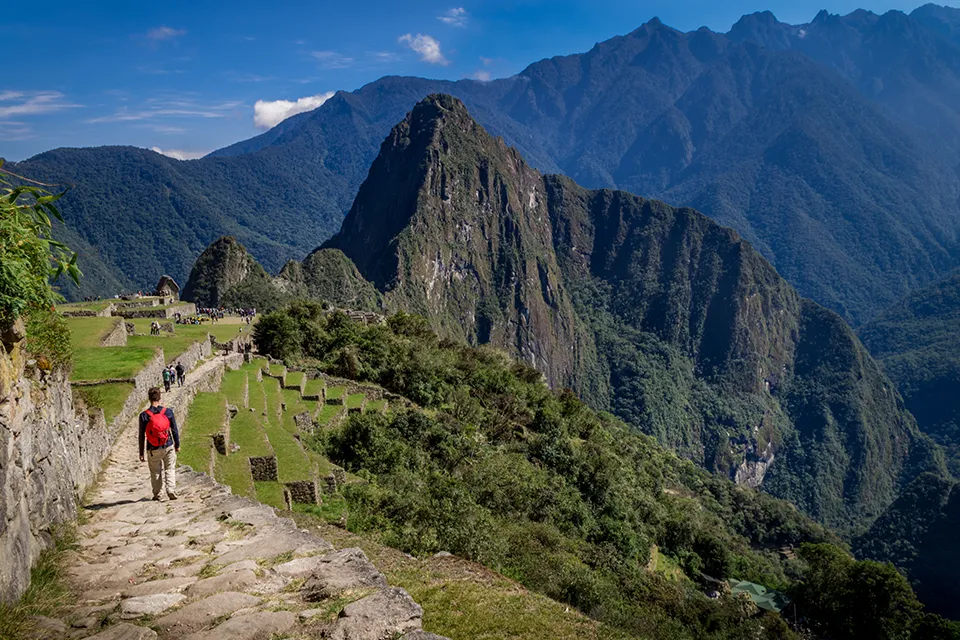
Overview of Inca Trail Seasons
The Inca Trail follows two clearly defined seasons, each offering distinct advantages and considerations. Climate directly affects trail conditions, visibility, and the rhythm of the hike, making seasonal awareness essential when crafting a well-balanced itinerary.
During the dry season (May to September), sunny days, clear skies, and greater weather stability prevail. While mornings and nights can be cold, trail conditions are at their best, particularly in May, June, and September, months that offer an appealing balance between favorable weather and a more measured flow of visitors compared to the peak summer months.
The rainy season (November to March) brings vibrant green landscapes and a calmer atmosphere, along with more frequent rainfall and softer trail conditions. It is also important to note that the Inca Trail is completely closed throughout February for annual conservation and maintenance work.
Meanwhile, April and October, considered shoulder months, offer a compelling alternative. With moderate rainfall, fewer visitors, and landscapes still rich in color, these months are often ideal for travelers seeking both comfort and tranquility.
| May | Jun | Jul | Aug | Sep | Oct | Nov | Dec | Jan | Feb | Mar | Apr |
| Dry Season | Shoulder season | Rainy Season | Shoulder season | ||||||||
May to September: Peak Dry Season
Widely regarded as the most favorable time to hike the Inca Trail, the dry season offers reliable conditions that are well suited for trekking. Days are typically sunny and clear, allowing for uninterrupted views of the Andean landscape and its most iconic archaeological sites.
While nights and early mornings can be cold, especially at higher elevations, the daytime walking conditions are comfortable and predictable. Minimal rainfall keeps the trail firm and dry, contributing to a smoother overall experience.
Within this season, May, June, and September stand out for offering a more balanced experience, combining excellent weather with slightly lower visitor numbers than the peak months of July and August.
The primary consideration during this period is demand. Permit availability is limited, and popular dates sell out quickly, making early planning essential for those seeking a seamless and well-paced journey.
April and October: Shoulder Season
April and October represent a refined balance between climate and crowd levels. With residual greenery from the rainy season and only moderate precipitation, these months combine favorable trail conditions with a more relaxed atmosphere.
They are particularly appealing for travelers who value space, tranquility, and thoughtful pacing, without compromising on scenery or comfort.
November to March: Rainy Season – A Quieter Experience
From November through March, the Inca Trail enters its rainy season, marked by higher humidity and more variable weather. During this time, the landscape is at its most verdant, offering a distinctly different visual experience from the dry months.
Rainfall can make sections of the trail wetter and more challenging, and cloud cover may occasionally limit visibility. Additionally, the Inca Trail closes entirely in February to allow for preservation efforts and trail maintenance.
For travelers with greater flexibility, this season can be rewarding, offering fewer visitors, a slower rhythm, and a deeper sense of immersion in the natural environment.
Weather Conditions on the Inca Trail
Weather along the Inca Trail is shaped primarily by altitude and seasonality. As the route crosses several elevation zones, hikers encounter changing microclimates, sometimes within the same day. Preparation, therefore, becomes an integral part of a smooth and enjoyable experience.
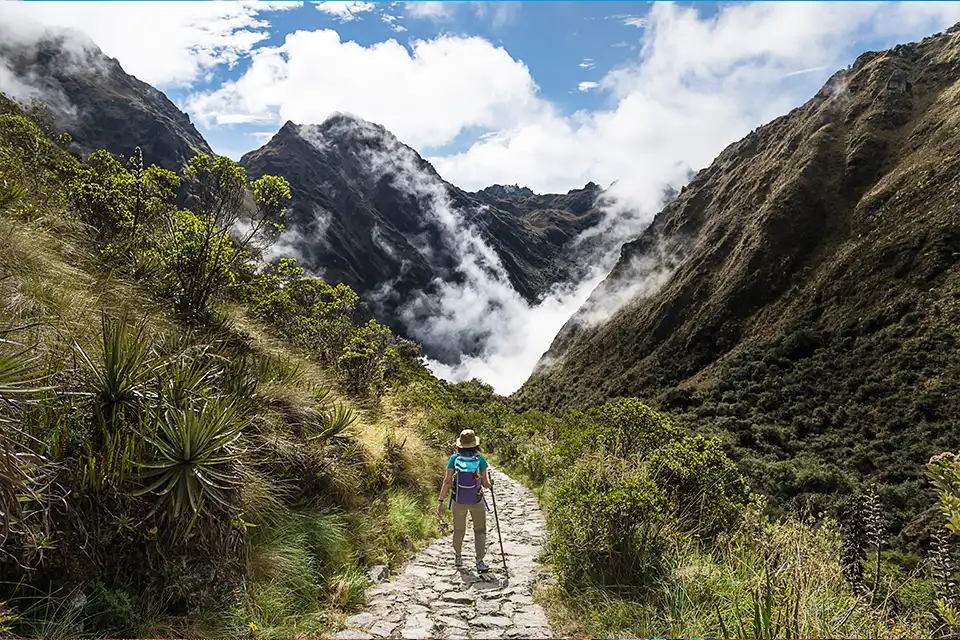
Daytime vs. Nighttime Temperatures
During the dry season, daytime temperatures typically range from 59 °F to 77 °F (15 °C to 25 °C), creating pleasant hiking conditions. Nights, however, can be cold, especially at higher elevations, with temperatures dropping to 32 °F to 41 °F (0 °C – 5 °C).
In the rainy season, daytime temperatures remain similar, averaging 59 °F to 72 °F (15 °C to 22 °C), while nighttime temperatures range between 41 °F and 46 °F (5 °C and 8 °C). Increased humidity can amplify the sensation of cold, even when temperatures are slightly milder.
While daytime temperatures remain generally consistent throughout the year, differences in humidity, cloud cover, and weather stability significantly affect overall comfort and trail conditions.
| Dry Season | Rainy Season | |
| Daytime Temperatures | 59 °F to 77 °F (15 °C y 25 °C) | 59 °F to 72 °F (15 °C y 22 °C) |
| Nighttime Temperatures | 32 °F to 41 °F (0 °C – 5 °C) | 41 °F to 46 °F (5 °C y 8°C) |
Altitudinal Effects and Microclimates
Elevation changes along the Inca Trail influence temperature, air density, and exposure. As altitude increases, temperatures drop and the air is thinner, intensifying the feeling of cold, particularly after sunset.
At the same time, solar radiation is stronger at higher elevations, making sunshine feel intense during daytime hikes. These factors combine to create pronounced microclimates, where hikers may experience sun, mist, wind, and light rain, all within a single day.
Dressing in layers, carrying weather protection, and using sun protection are essential practices for maintaining comfort throughout the journey.
Crowds, Permit Availability, and Additional Information
Daily Permit Limits
To preserve the trail and its archaeological heritage, the Peruvian government enforces a strict daily limit of 500 people, including hikers, guides, porters, and support staff. This regulation ensures conservation while directly influencing availability.
Best Times to Avoid Crowds
Visitor numbers peak during the dry season, particularly from June to August. By contrast, April, October, and the rainy season offer quieter experiences, with fewer hikers and greater space along the trail.
How Far in Advance to Book
Given limited permits and high demand, booking 4 to 6 months in advance is strongly recommended, especially for travel during peak months or major holidays. Early planning allows for greater flexibility and a more curated experience.
Important Dates and Closures
The Inca Trail closes for annual conservation work during the entire month of February. Additionally, periods such as Inti Raymi (June 24), Peruvian Independence Day (July 28–29), and Northern Hemisphere summer vacations coincide with increased demand and require careful advance planning.
Tips for planning your Inca Trail Hike
When planning, it is worth considering the type of experience you value most:
- If you prioritize stable weather and clear views, the dry season will be your best option.
- If you prefer fewer crowds and a more peaceful atmosphere, consider the shoulder season in April or October.
- If rain does not deter you and you value lush landscapes with lower visitor numbers, the rainy season can be a rewarding alternative, always avoiding February, when the trail is closed.
Proper preparation is just as important as timing. Arriving in Cusco at least two days before the hike allows time to acclimatize to the altitude, helping reduce fatigue and making the journey more enjoyable. While the Inca Trail does not require being a professional athlete, it does demand endurance, and thoughtful preparation contributes greatly to overall comfort and confidence on the trail.
Alternative Treks
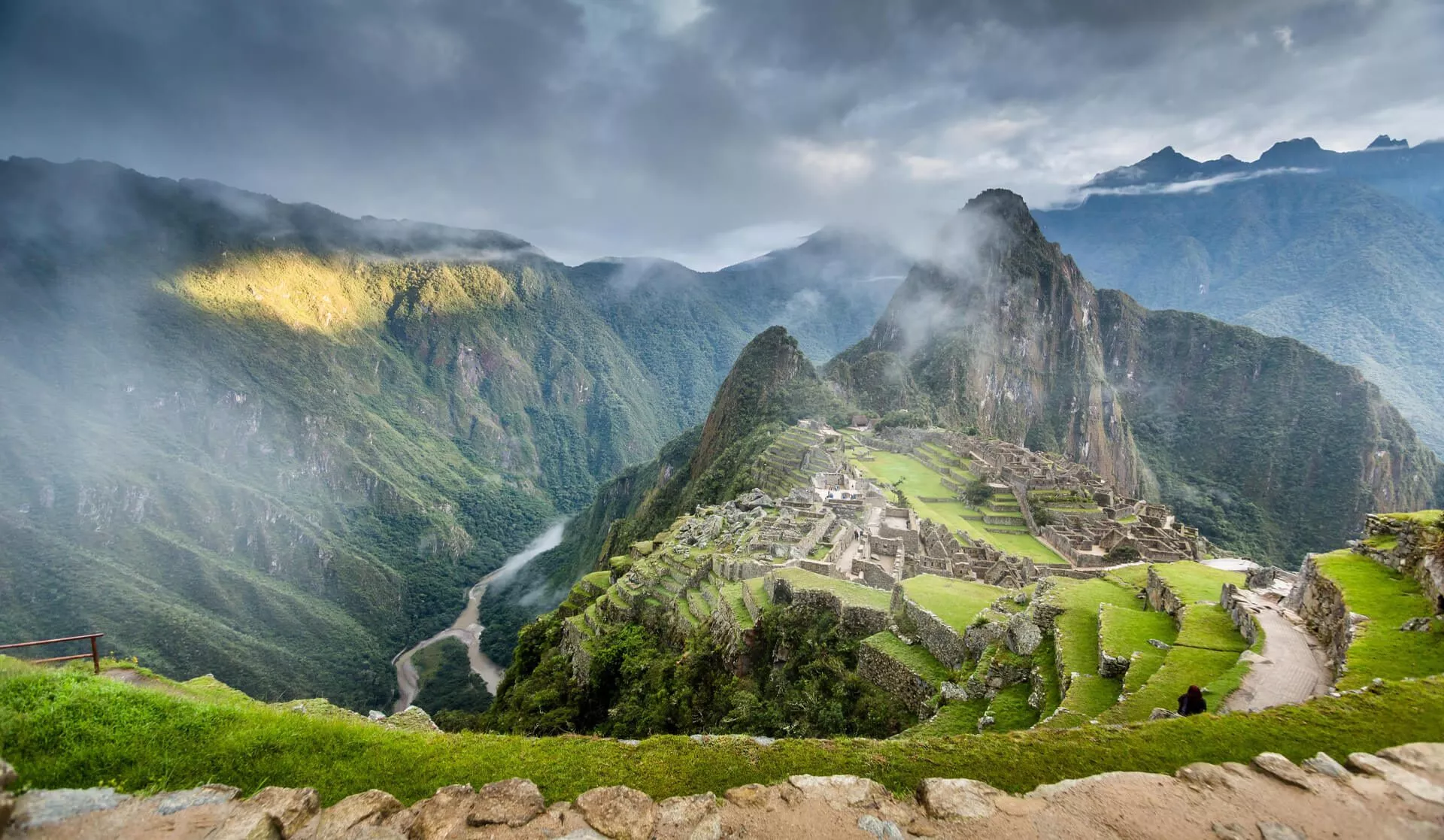
For those unable to secure permits for their preferred dates, alternative routes such as Salkantay, Lares, Choquequirao, or Ausangate offer equally compelling landscapes and cultural depth, providing different perspectives on the Andes while maintaining a strong sense of place.
Ultimately, the best time to hike the Inca Trail depends on the experience you wish to create. Whether guided by climate, crowd levels, or a desire for quiet immersion in nature, thoughtful timing enhances every aspect of the journey. Regardless of the season, the Inca Trail remains an extraordinary passage through history, landscapes, and the enduring legacy of the Peruvian Andes.


